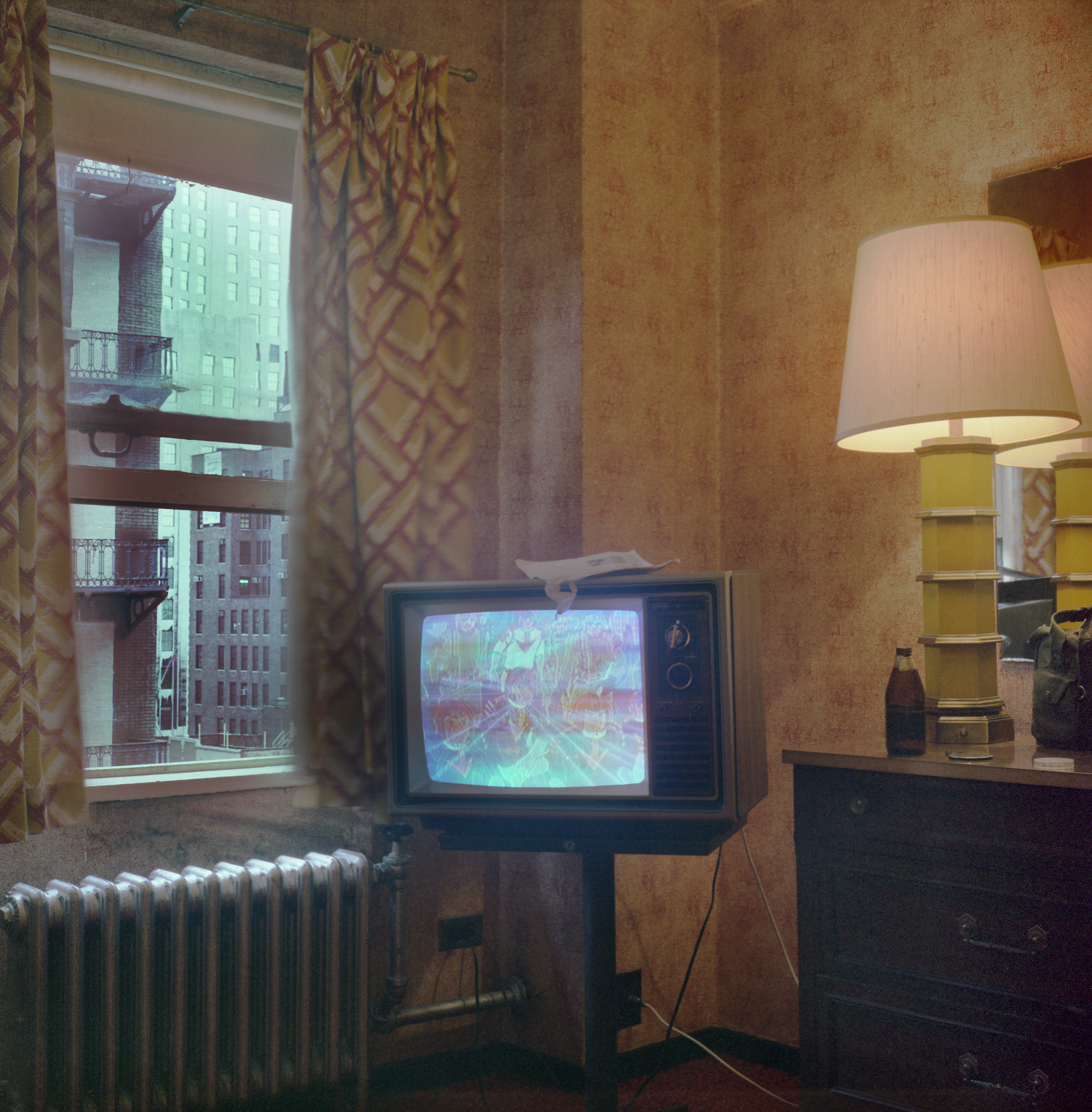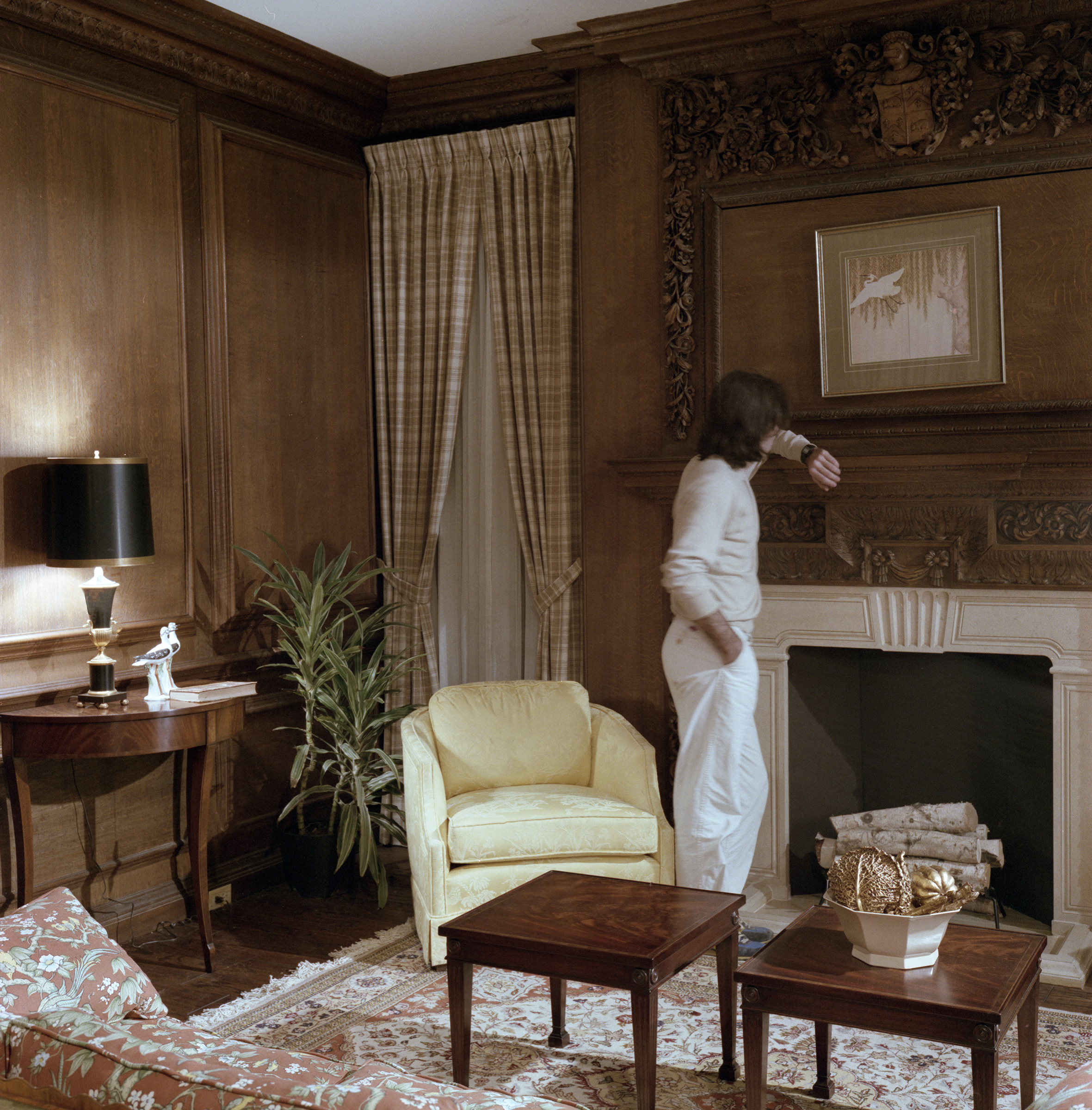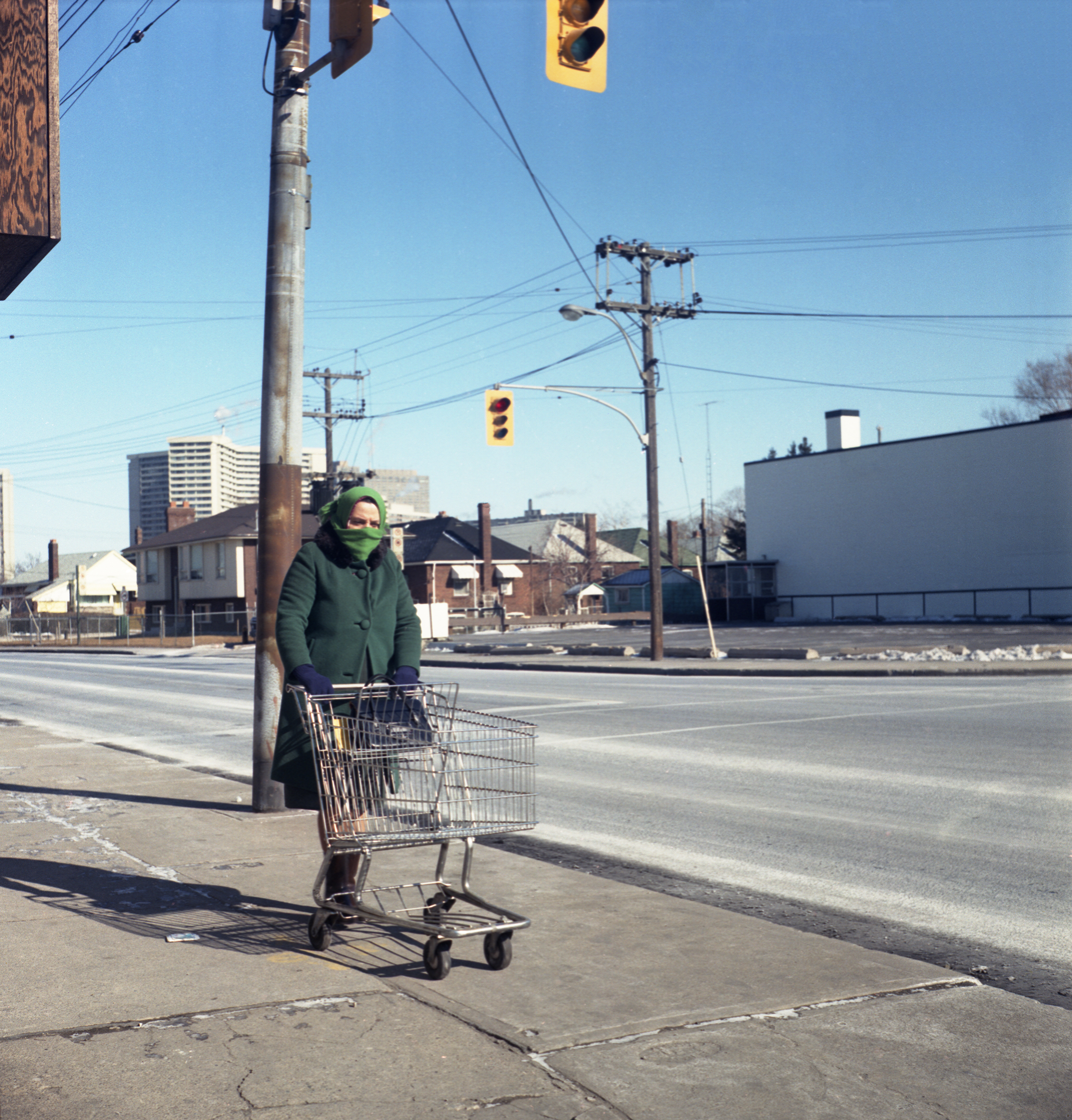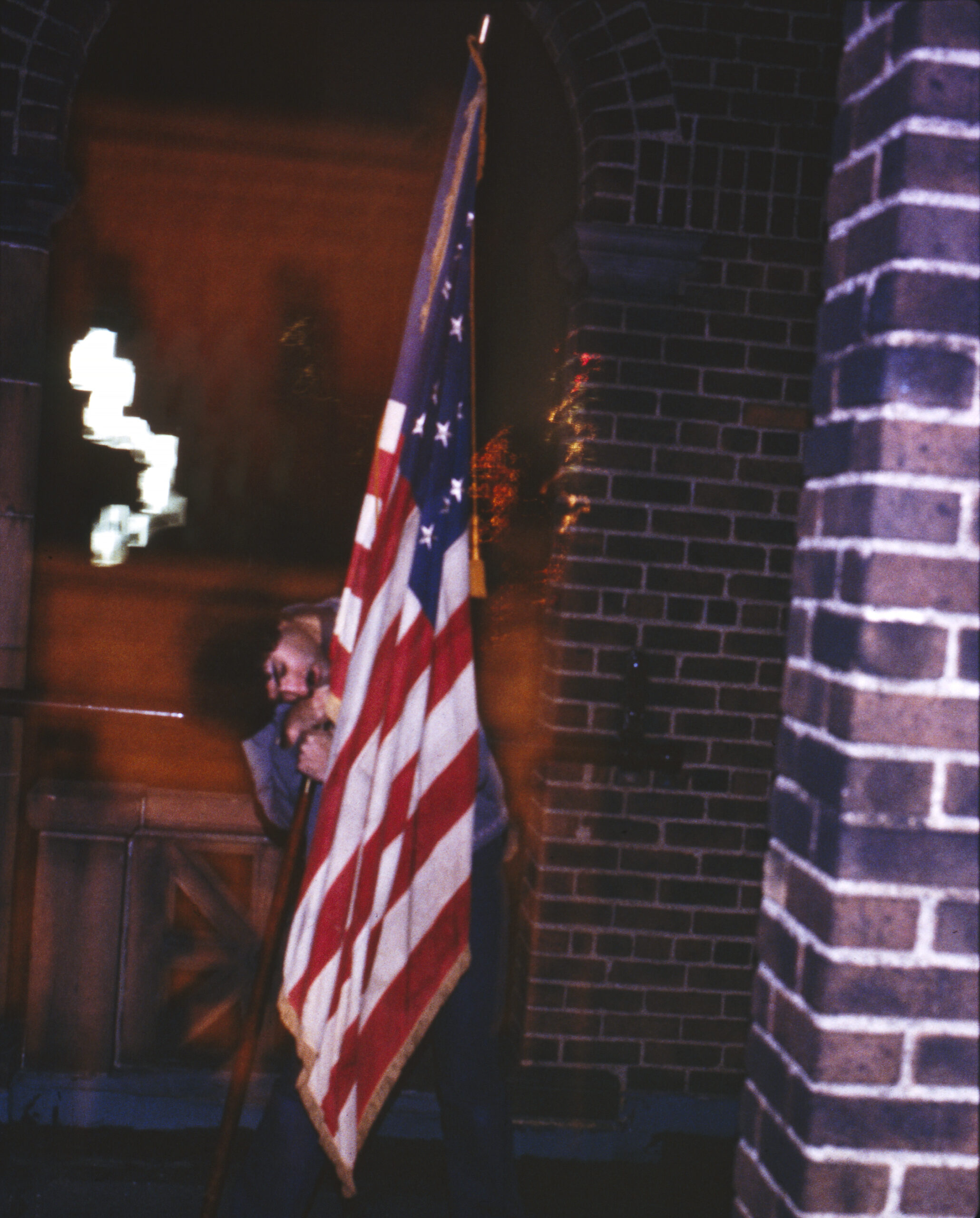
45 years ago
La couleur
1980
Photographie et couleur : apprendre à voir autrement
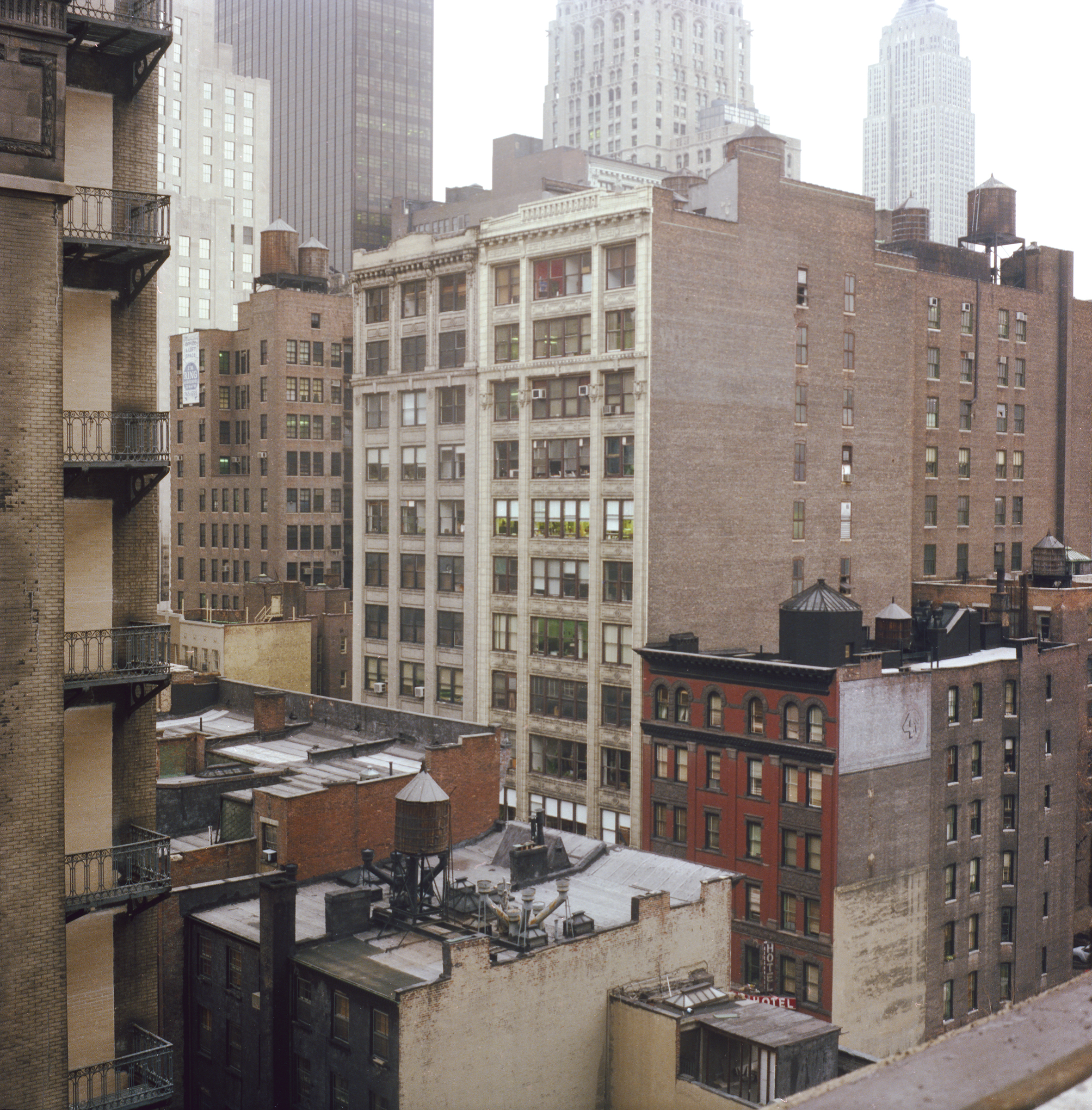
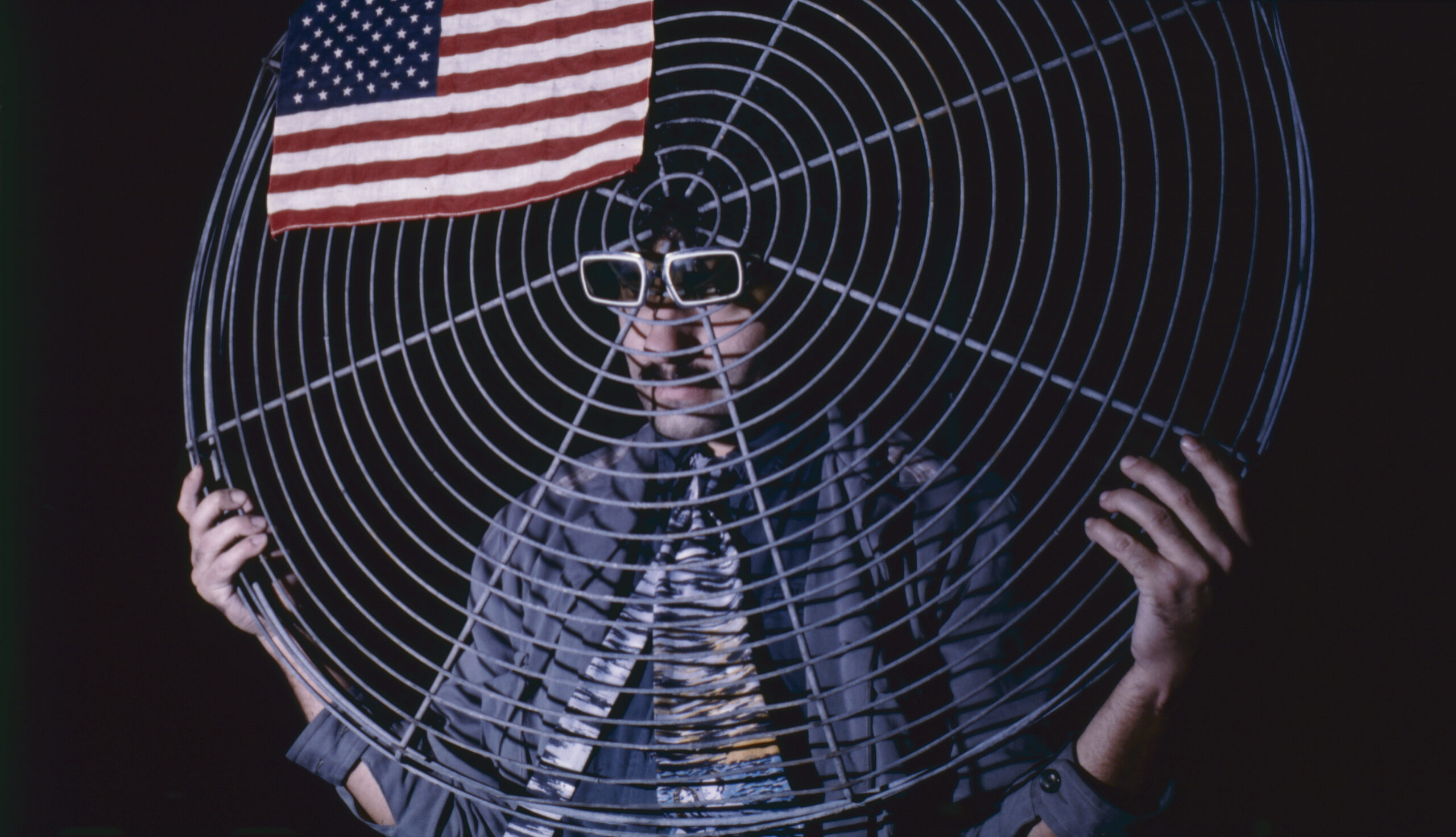
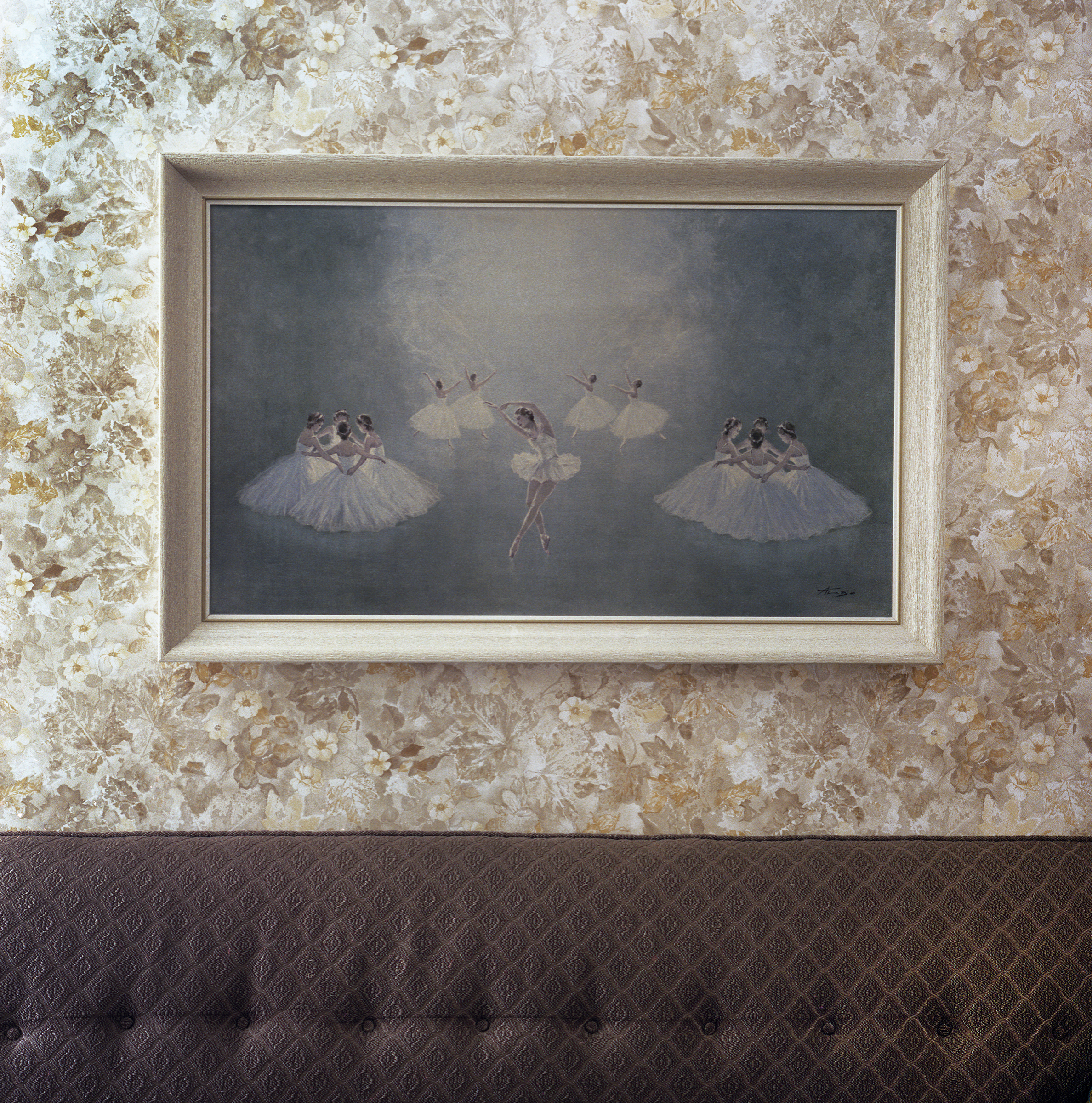
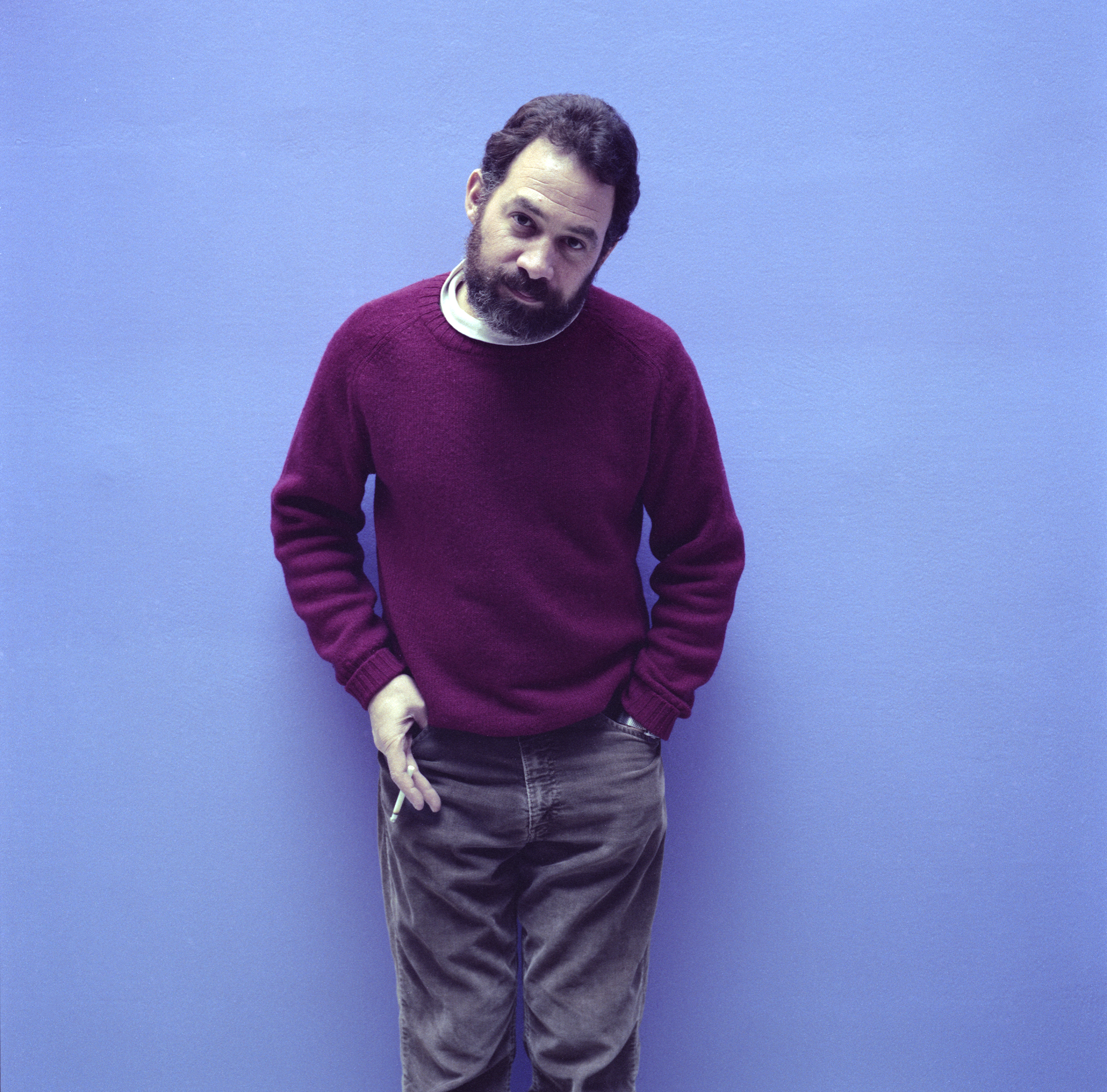
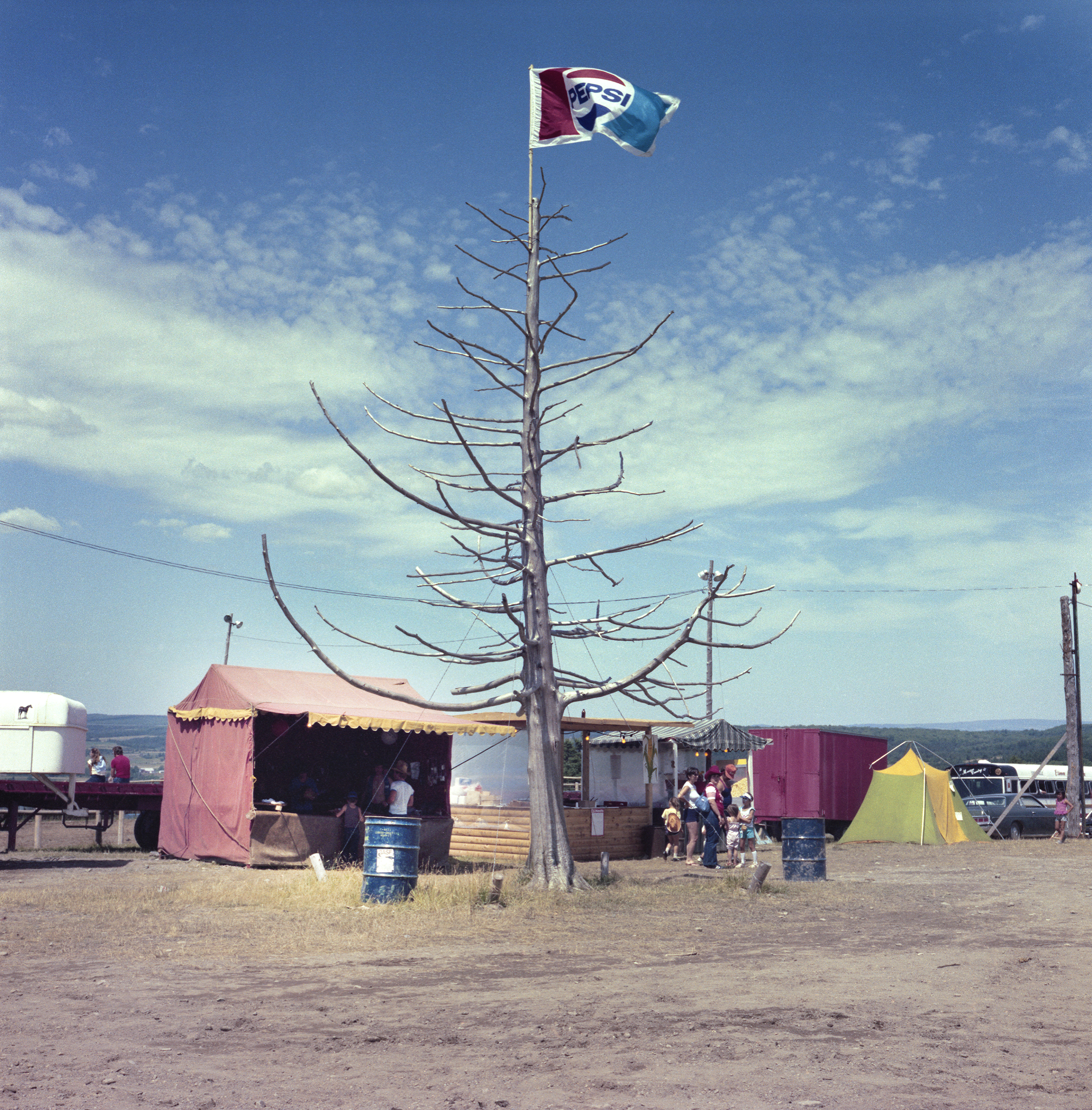
À la fin des années 70, apprendre la photographie signifiait entrer dans un monde où l’information était rare et où chaque découverte devait être arrachée à l’obscurité. Nous n’étions pas informés comme aujourd’hui. Rien n’arrivait en continu. Les images ne circulaient pas librement. Les livres spécialisés étaient difficiles à trouver, et la bibliothèque de Ryerson, malgré toute la bonne volonté du programme, était presque vide lorsqu’il s’agissait de photographie artistique en couleur.
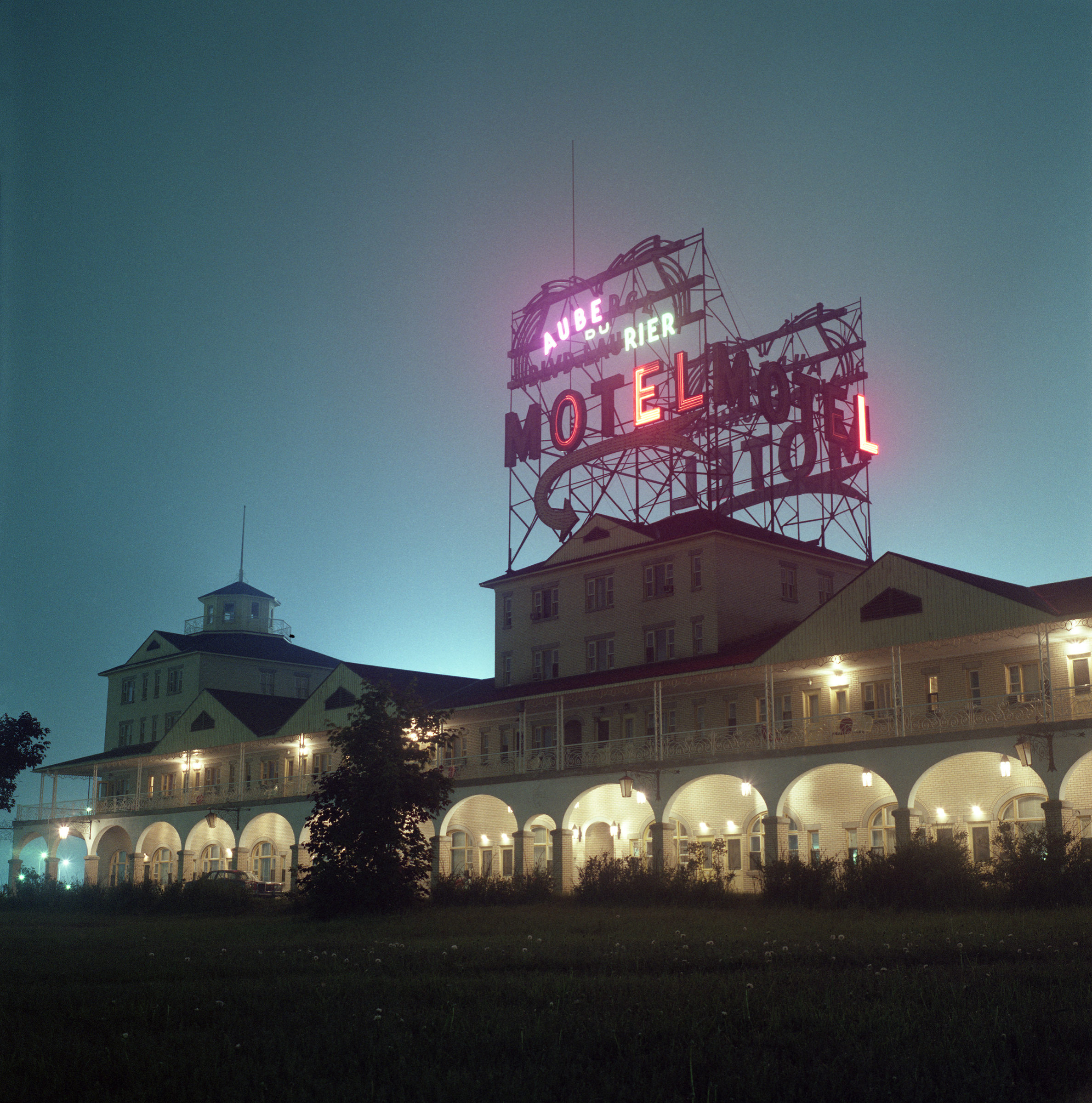
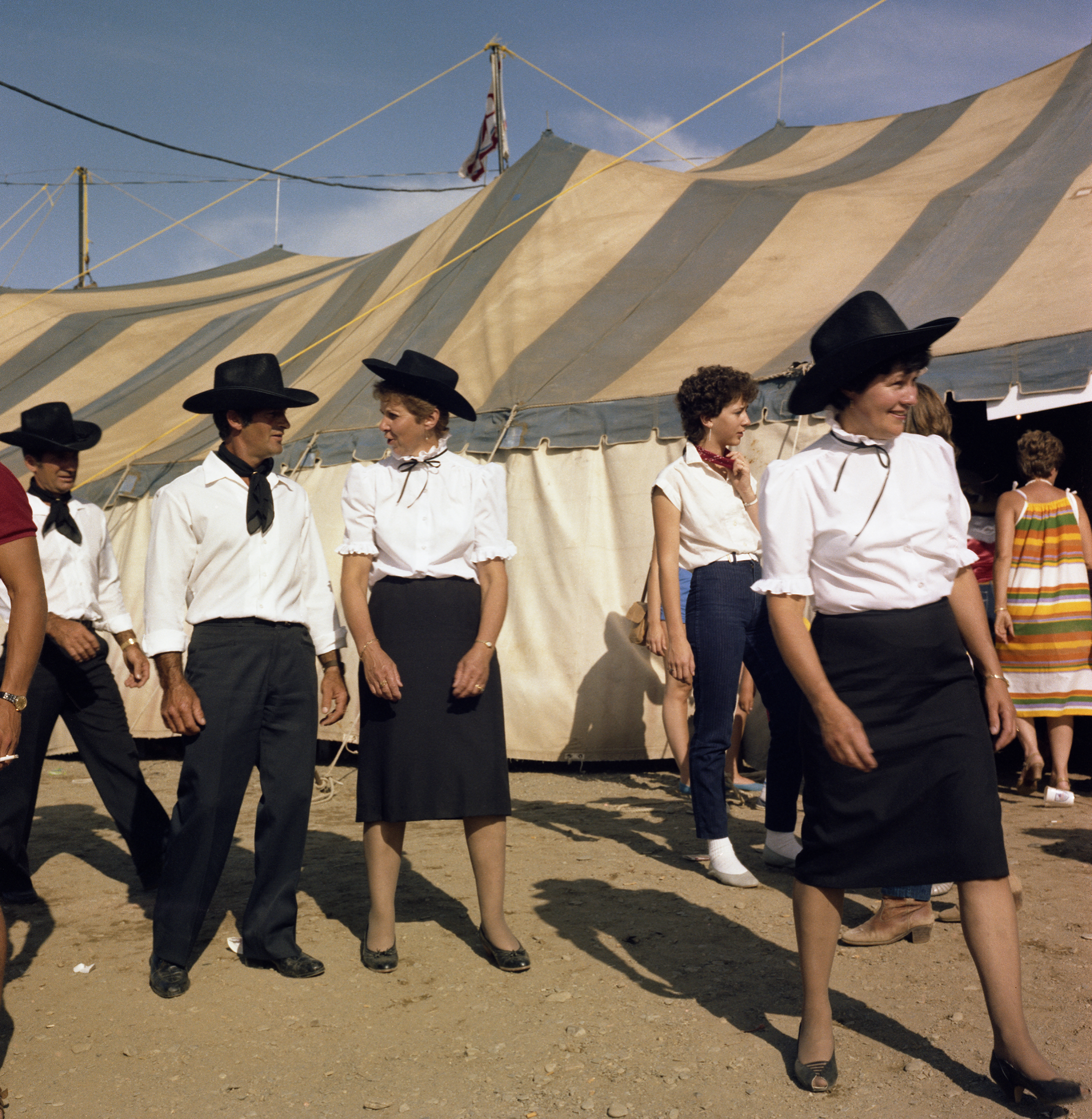
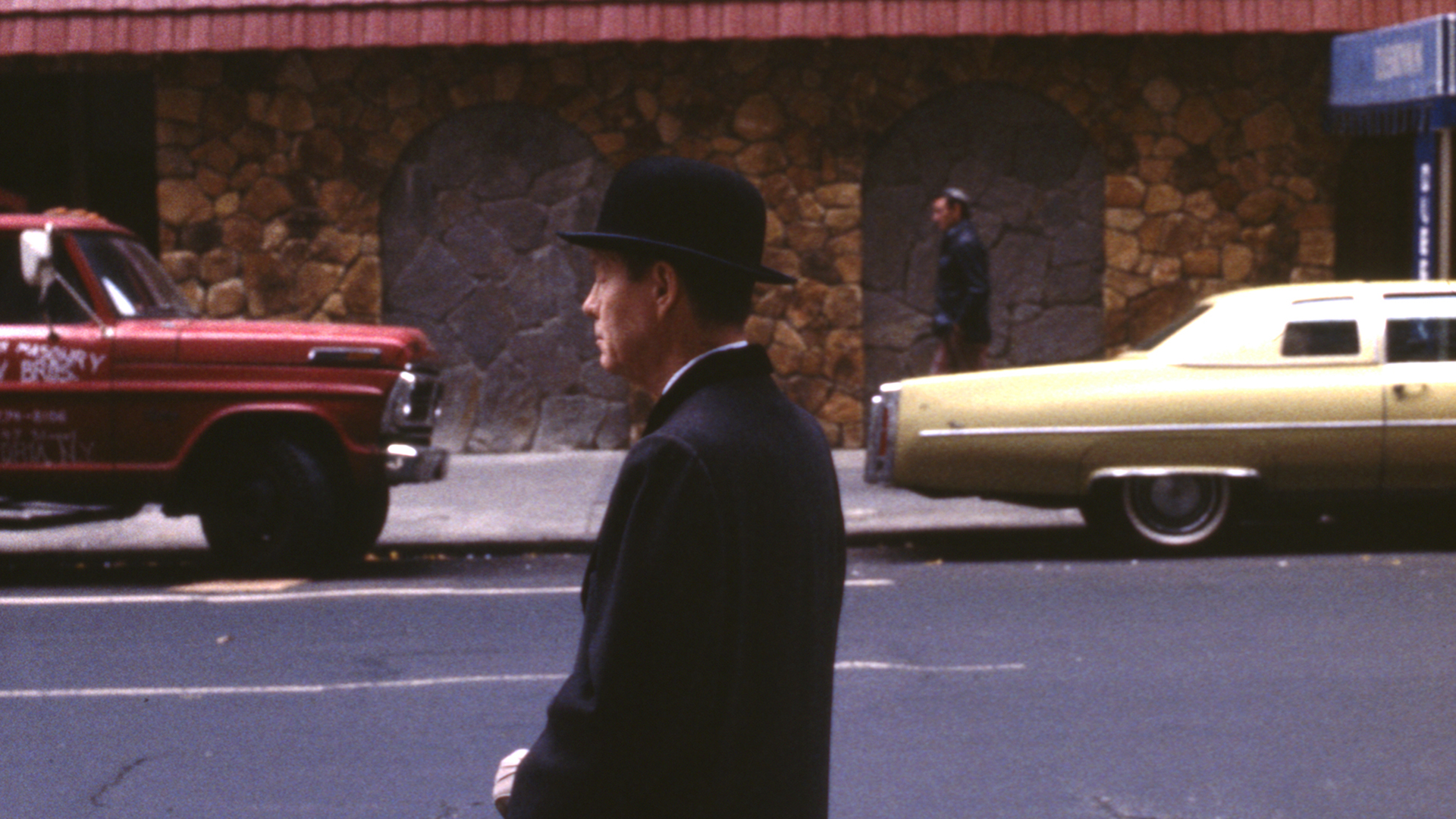
La photographie sérieuse se faisait en noir et blanc. C’était une évidence culturelle, presque un dogme. Les enseignants nous présentaient des diaporamas en noir et blanc, et lorsqu’ils montraient des œuvres en couleur, c’était toujours en petites touches, comme si la couleur appartenait encore à un territoire incertain, périphérique, pas tout à fait légitime. Les rares livres en couleur que l’on pouvait consulter relevaient du voyage, du souvenir, de la carte postale. La couleur, à cette époque, était un produit Kodak, pas un langage artistique.
C’est dans ce contexte que j’ai découvert Stephen Shore, William Eggleston, Joel Meyerowitz. Quelques images, parfois mal reproduites, parfois projetées en salle, parfois aperçues dans un livre emprunté par hasard. Ces artistes ouvraient une brèche, mais une brèche minuscule, presque clandestine. Rien n’était expliqué. Rien n’était théorisé. Il fallait deviner, interpréter, recomposer. Il fallait comprendre par soi-même ce que signifiait photographier en couleur lorsque personne autour de nous ne le faisait encore.
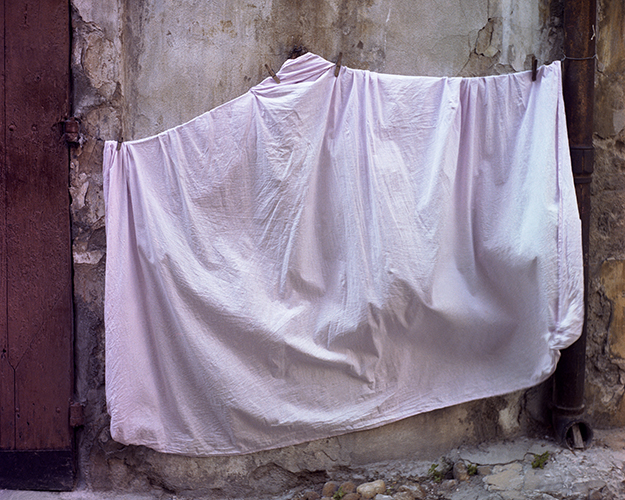
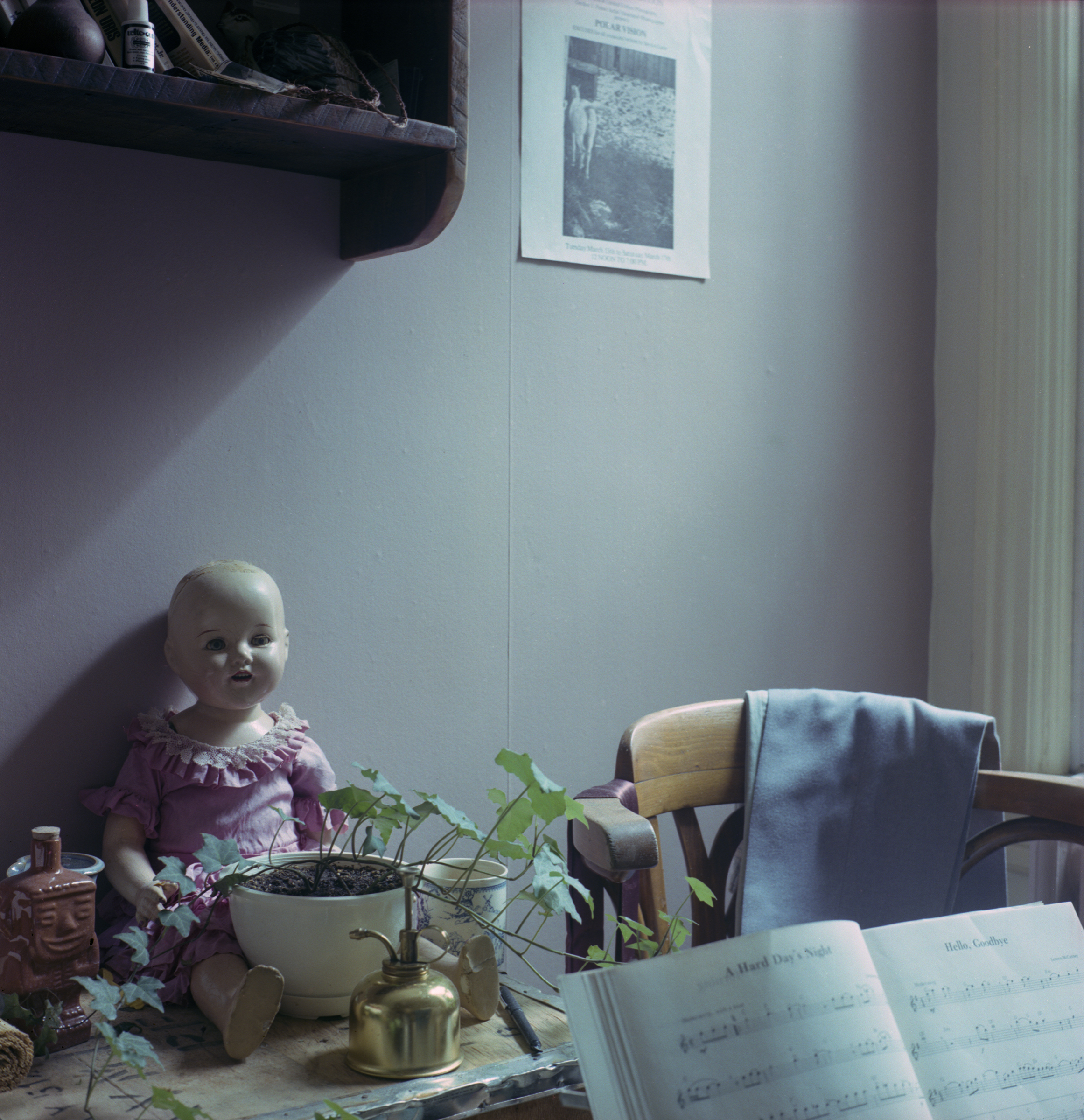
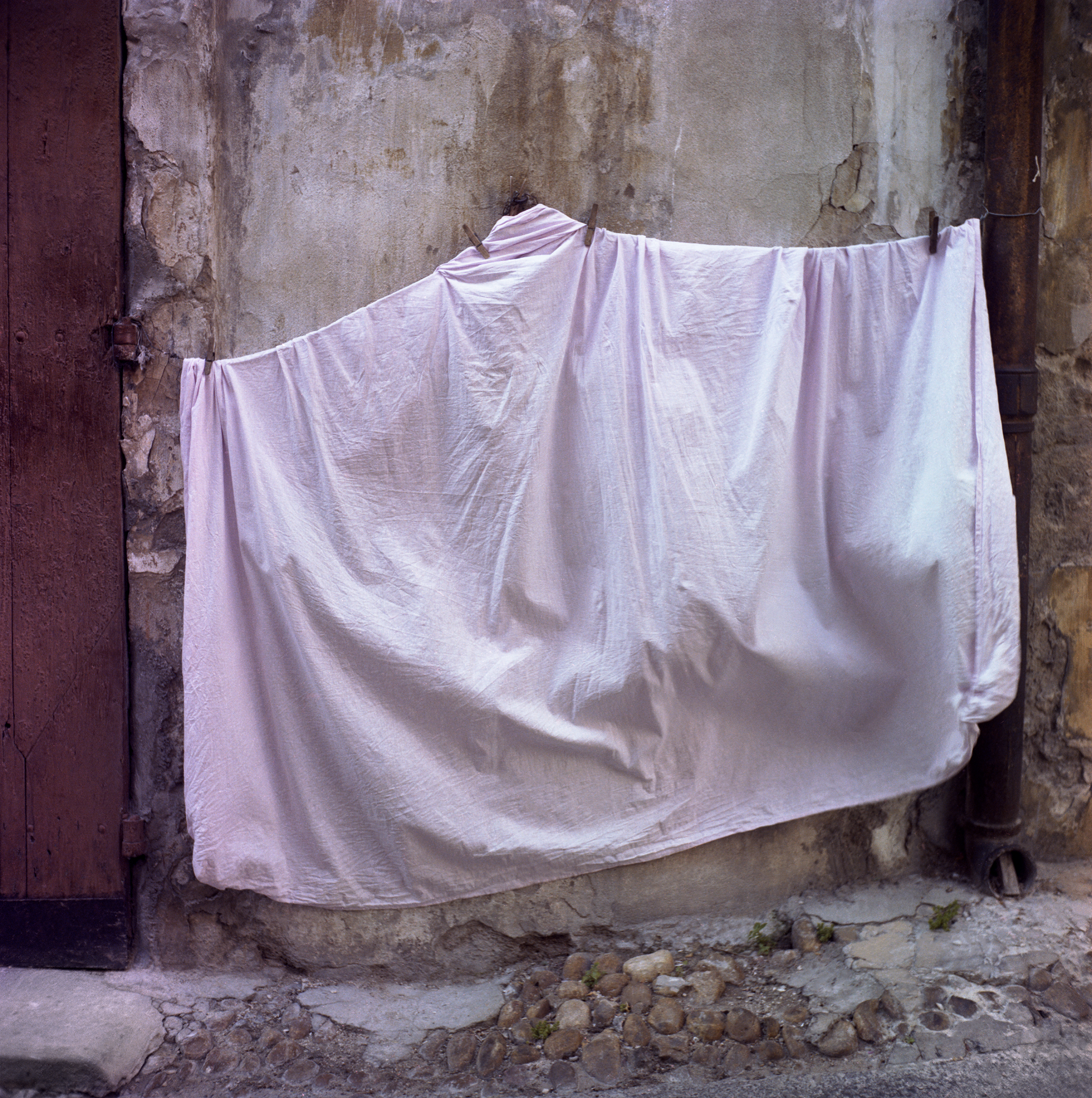
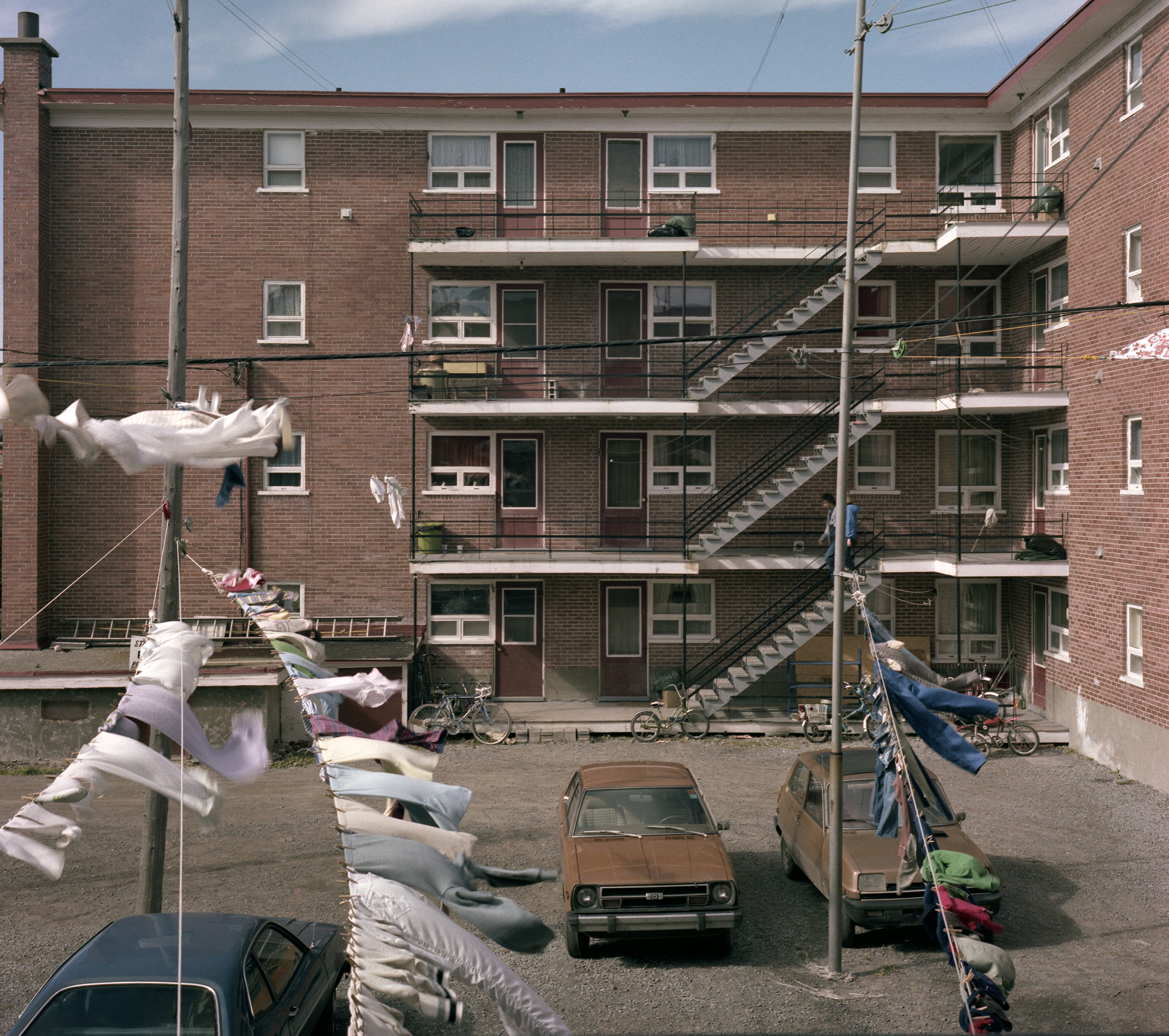
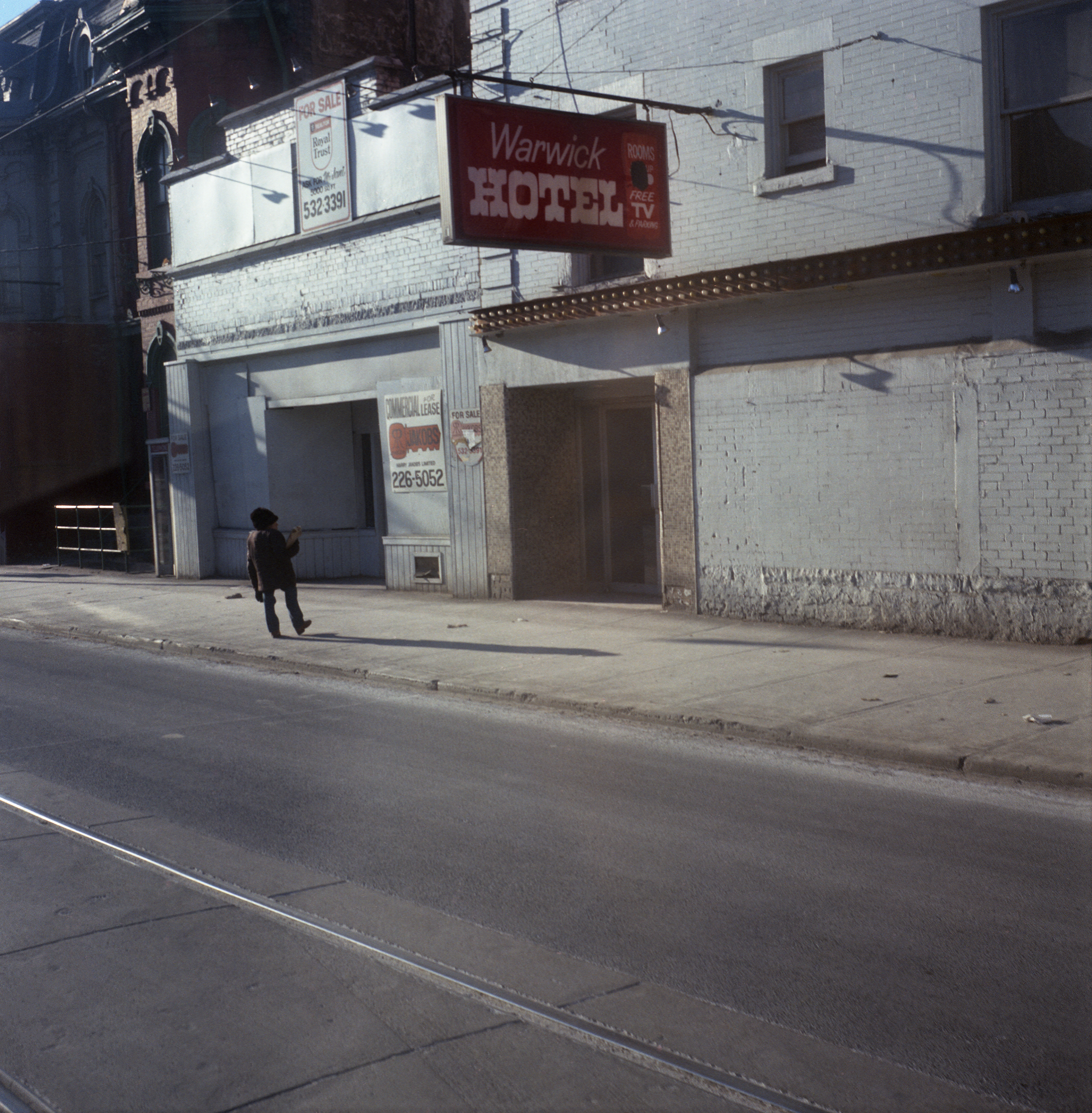
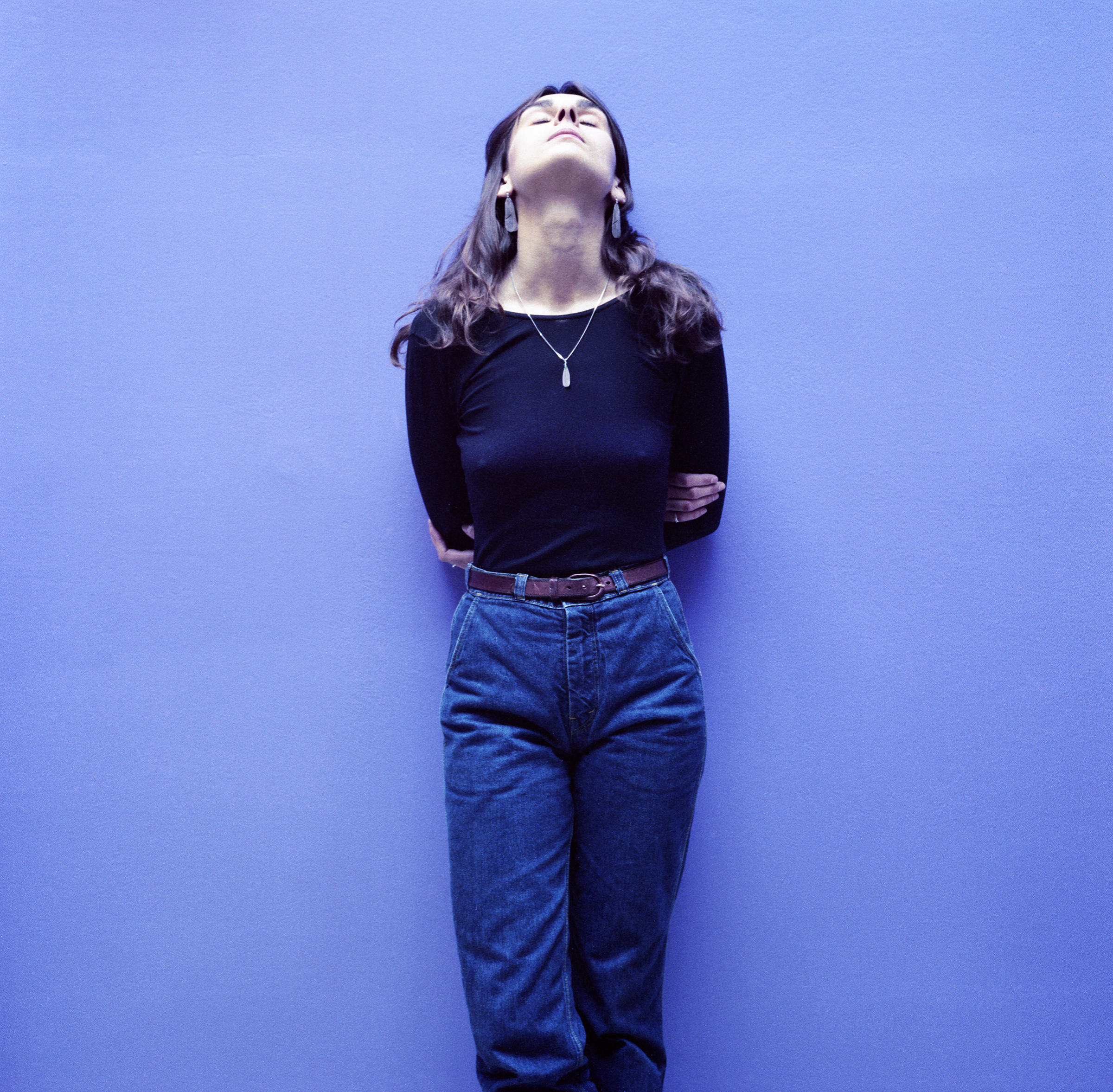
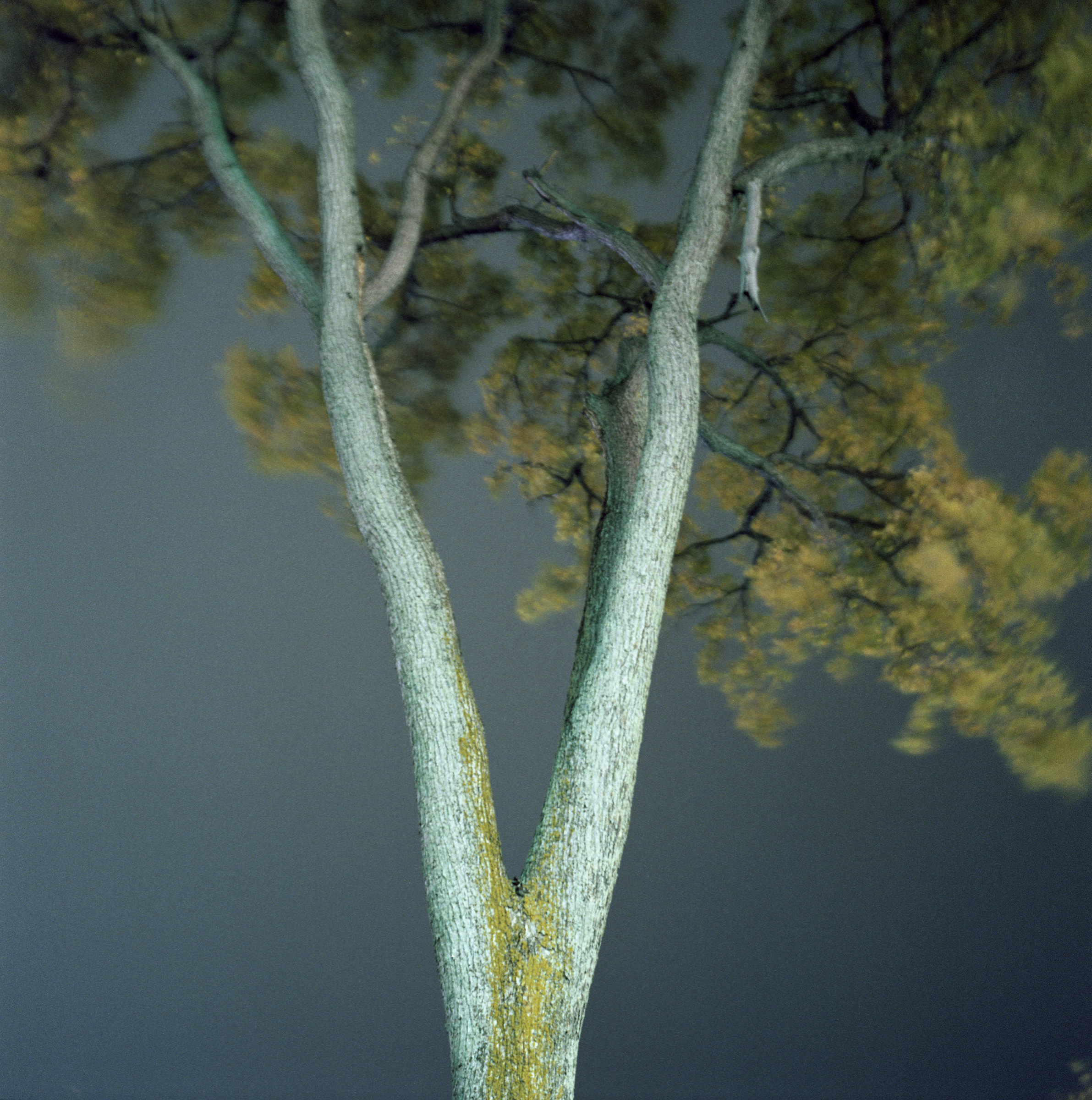
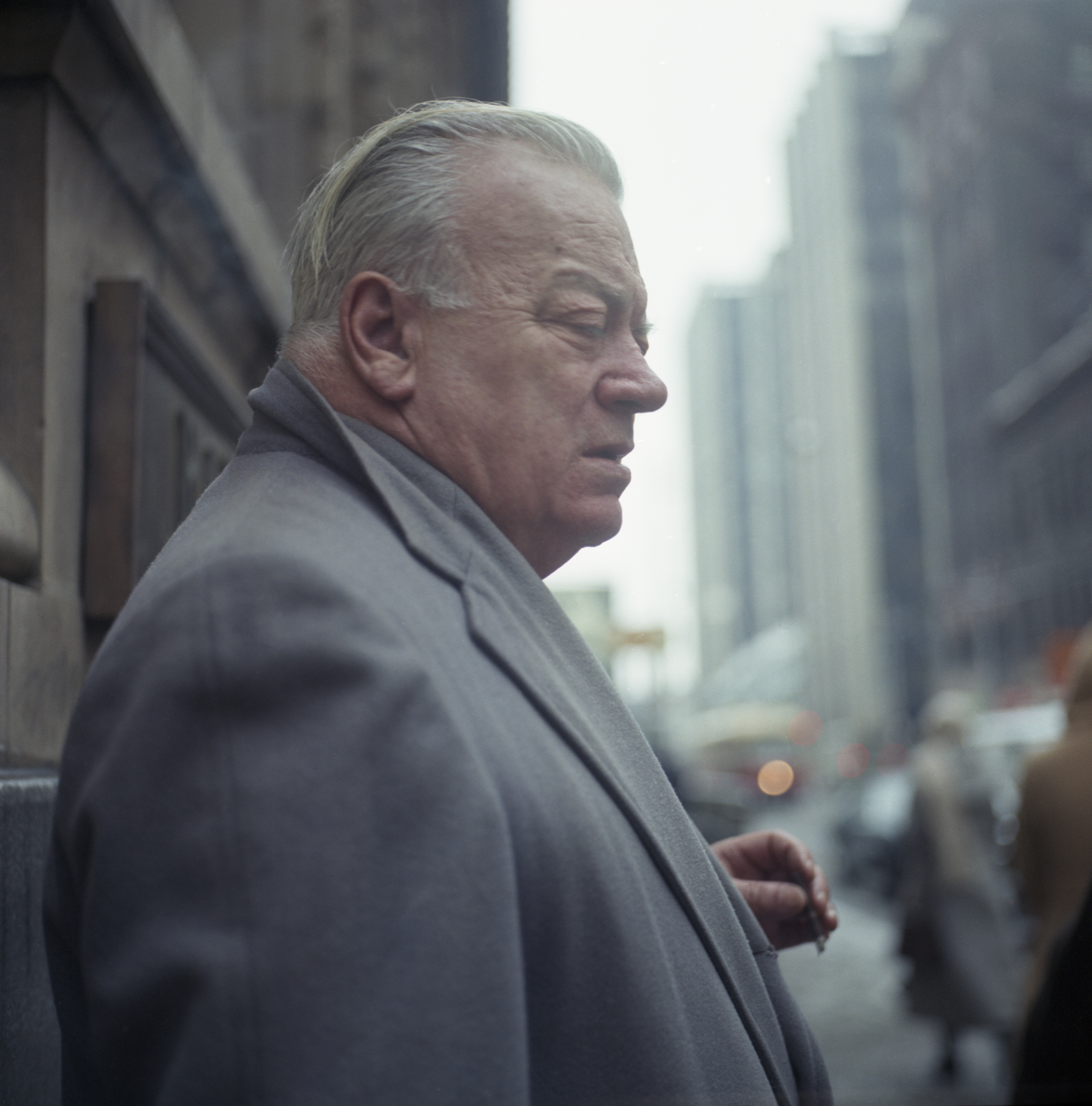
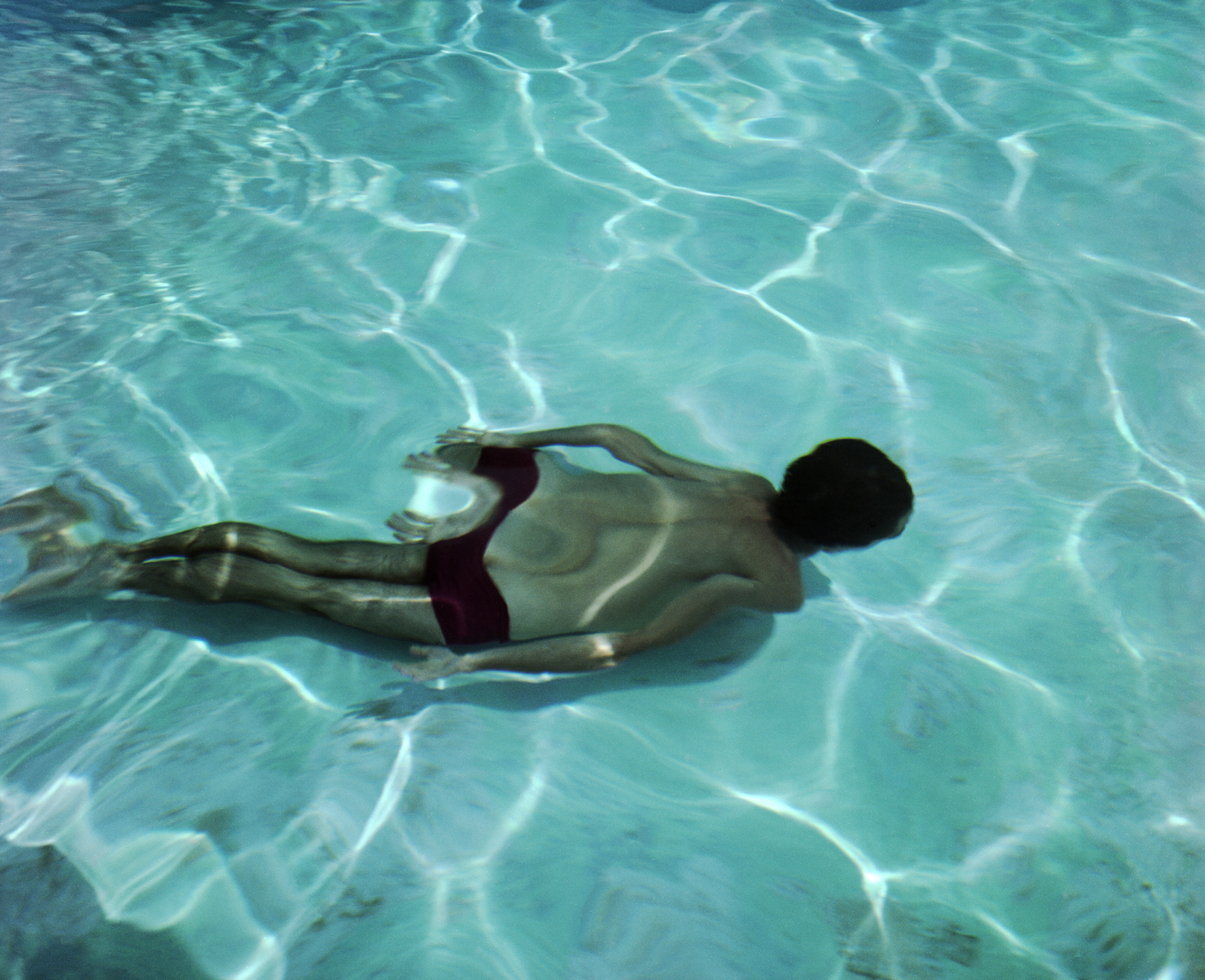
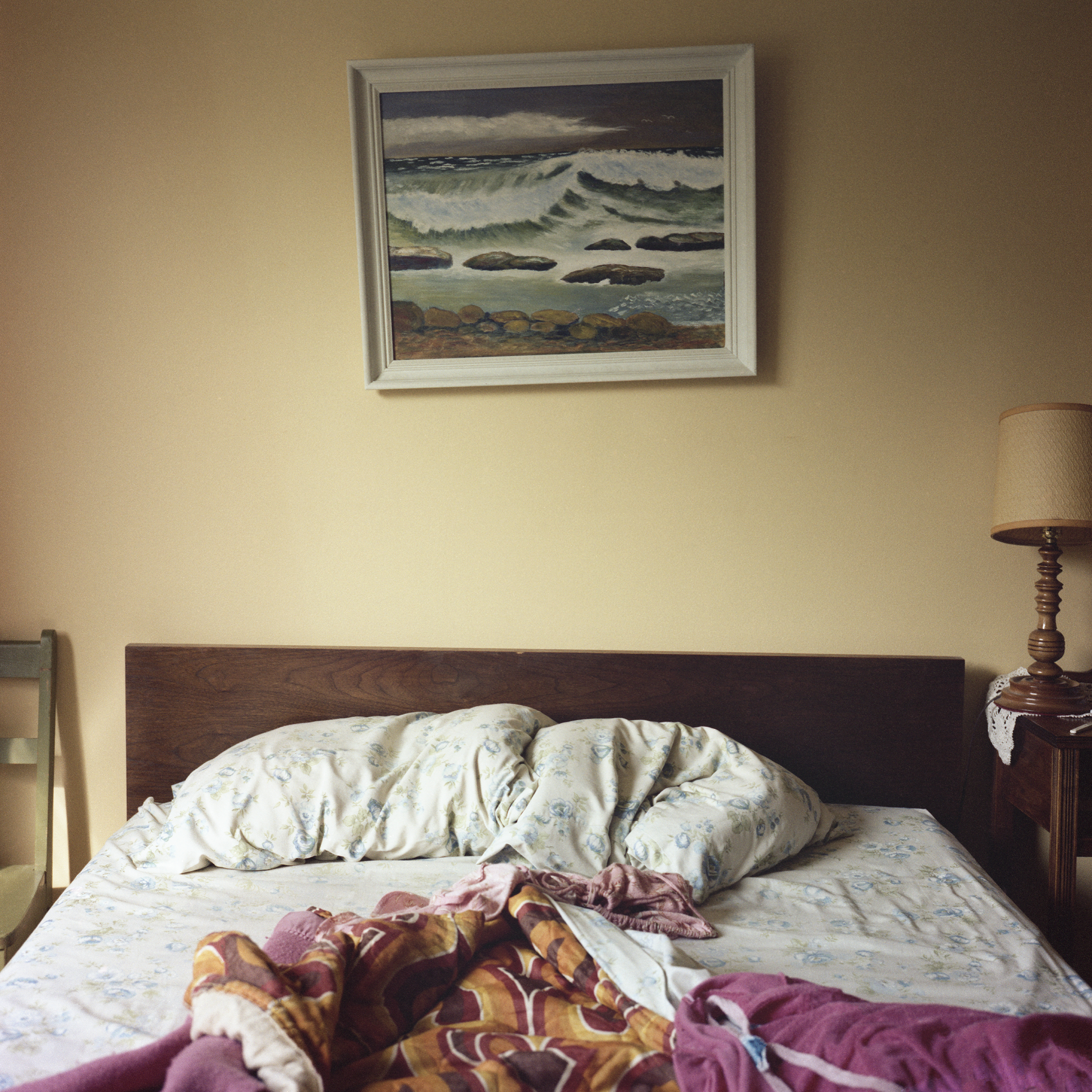
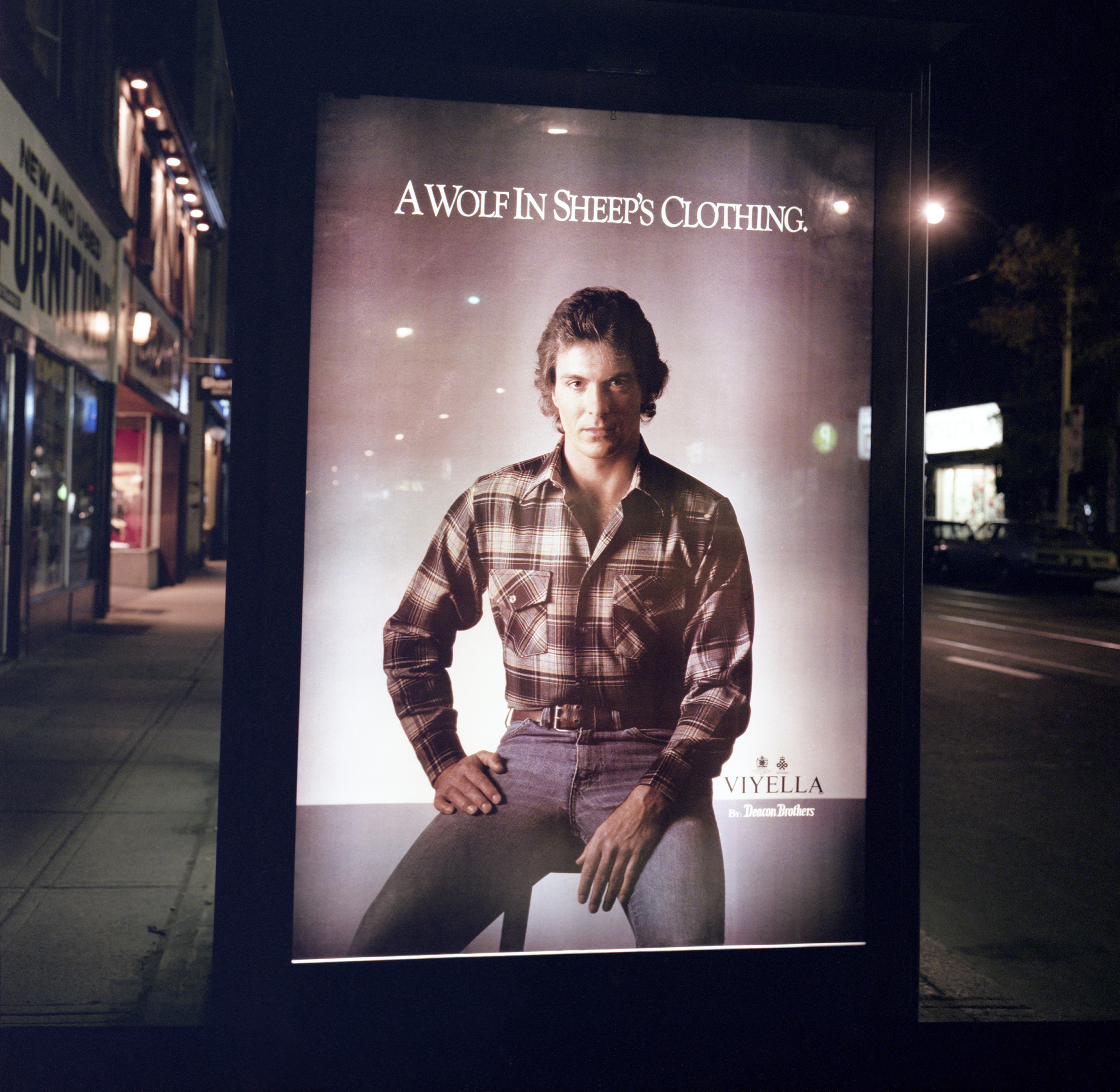
Après une année intensive en noir et blanc, il fallait tout réapprendre. Les films couleur réagissaient différemment à la lumière. Les émulsions avaient leurs humeurs, leurs dominantes, leurs caprices. La température de couleur transformait un ciel, un visage, une rue. Rien n’était standardisé. Rien n’était automatisé. Il n’y avait pas de manuel pour nous guider, pas de tutoriels, pas de forums, pas de vidéos explicatives. Il fallait expérimenter, rater, recommencer, observer, comparer, recommencer encore.
Apprendre la couleur, c’était reconstruire un savoir-faire depuis zéro. C’était inventer une grammaire visuelle dans un médium encore marginalisé. C’était apprendre à voir autrement dans un monde où presque personne ne nous montrait comment faire. C’était une formation dans la lenteur, dans la rareté, dans l’attention. Une formation où chaque image comptait, où chaque erreur enseignait quelque chose, où chaque découverte avait le poids d’une révélation.
Apprendre à voir en couleur, c’était inventer une grammaire visuelle nouvelle, une mémoire chromatique qui refusait l’uniformisation.
Photography and Color: Learning to See Differently
In the late 1970s, learning photography meant entering a world where information was scarce and every discovery had to be wrestled out of obscurity. We were not informed the way people are today. Nothing arrived continuously. Images did not circulate freely. Specialized books were difficult to find, and the Ryerson library, despite the program’s best intentions, was almost empty when it came to artistic color photography.
Serious photography was done in black and white. That was the cultural norm, almost a dogma. Our teachers showed us black‑and‑white slide lectures, and when they presented color work, it was always in small, hesitant doses, as if color still belonged to an uncertain, peripheral territory—not quite legitimate. The few color books we could consult were travel albums, souvenirs, postcards. Color, at that time, was a Kodak product, not an artistic language.
It was in this context that I discovered Stephen Shore, William Eggleston, and Joel Meyerowitz. A handful of images, sometimes poorly reproduced, sometimes projected in a classroom, sometimes found by chance in a borrowed book. These artists opened a breach, but a tiny one, almost clandestine. Nothing was explained. Nothing was theorized. One had to guess, interpret, reconstruct. One had to understand on one’s own what it meant to photograph in color when almost no one around us was doing it yet.
After an intensive year of black‑and‑white work, everything had to be relearned. Color films reacted differently to light. Emulsions had their moods, their casts, their quirks. Color temperature transformed a sky, a face, a street. Nothing was standardized. Nothing was automated. There were no manuals to guide us, no tutorials, no forums, no explanatory videos. One had to experiment, fail, start again, observe, compare, and start again.
Learning color meant rebuilding a craft from scratch. It meant inventing a visual grammar in a medium that was still marginalized. It meant learning to see differently in a world where almost no one showed us how. It was an education in slowness, in scarcity, in attention. An education where every image mattered, where every mistake taught something, where every discovery carried the weight of a revelation.
Learning to see in color meant inventing a new visual grammar, a chromatic memory that resisted uniformity.