L’abri comme proposition artistique
L’abri comme proposition artistique
Je ne nomme pas mon travail comme œuvre, mais comme proposition. Ce choix m’a été soufflé par Jacques Perron, qui m’a appris à agir plutôt qu’à paraître. Il disait aussi que s’il avait à recommencer son parcours artistique, tout se passerait autour du Web. Ces paroles m’accompagnent : elles me rappellent que l’art peut être un geste, un lieu, une attention — pas nécessairement un objet ou une scène.
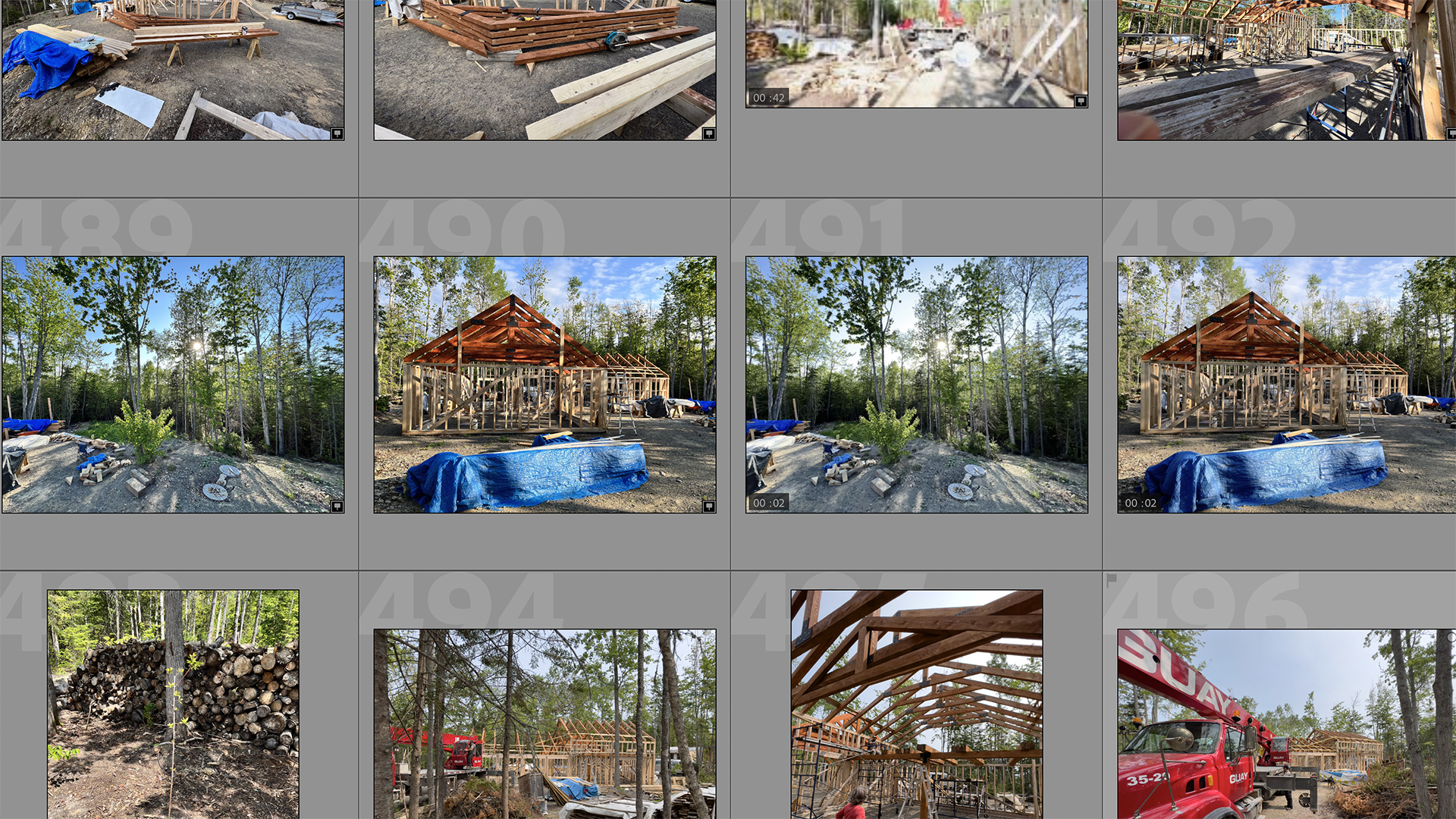
Pendant huit ans, j’ai construit une maison. Lentement. Avec doute, avec soin. Ce n’était pas un projet d’architecture, mais un geste d’habitation. Une manière de penser l’art comme abri. Non pas un refuge contre le monde, mais un lieu poreux, traversé, traversable. Un espace de respiration.
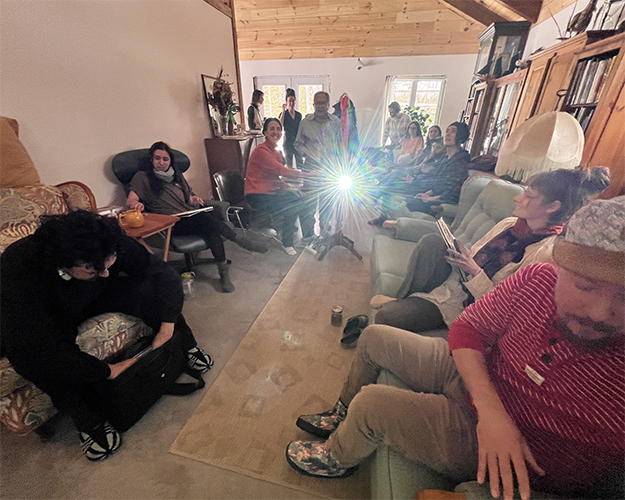
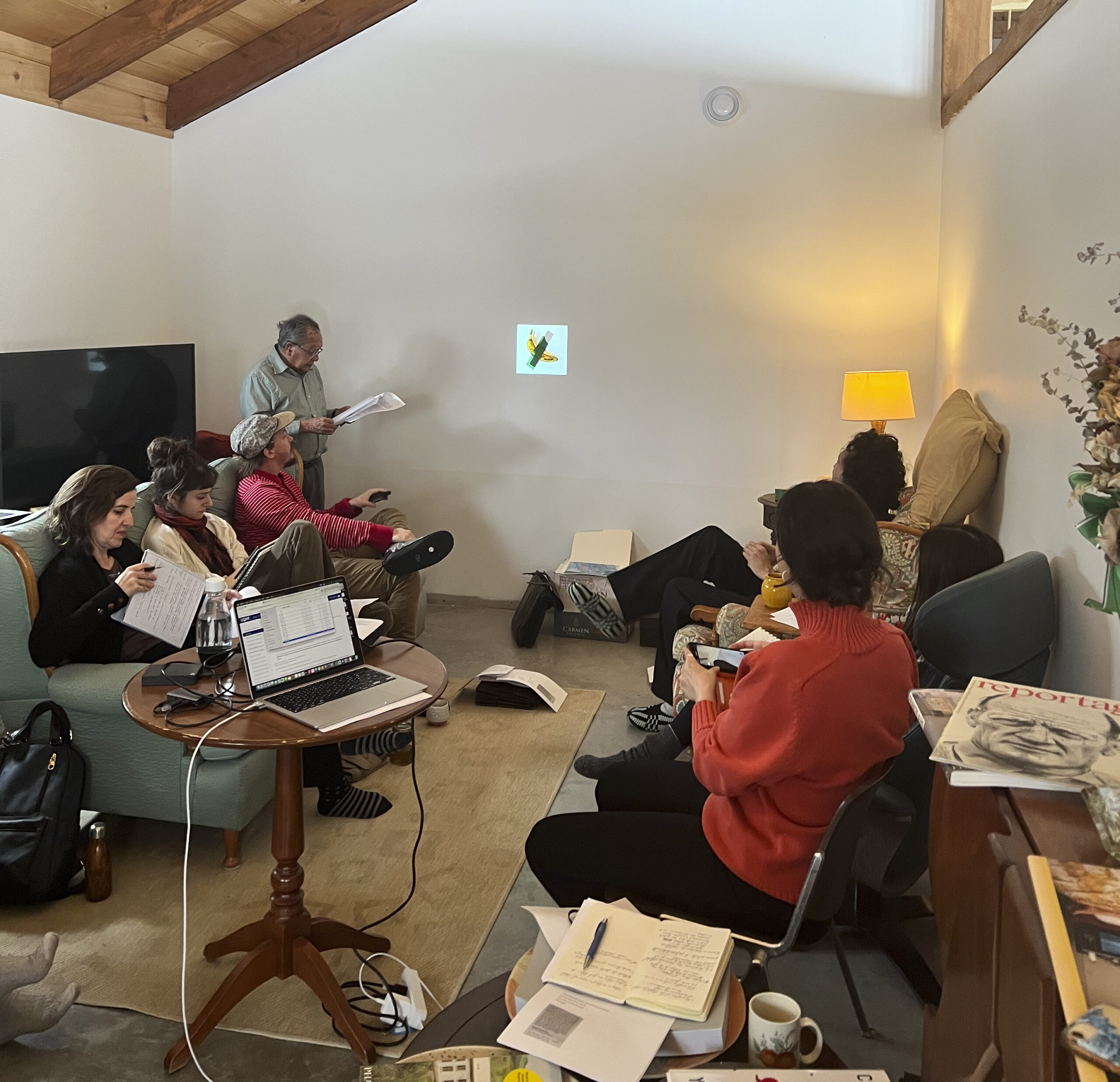
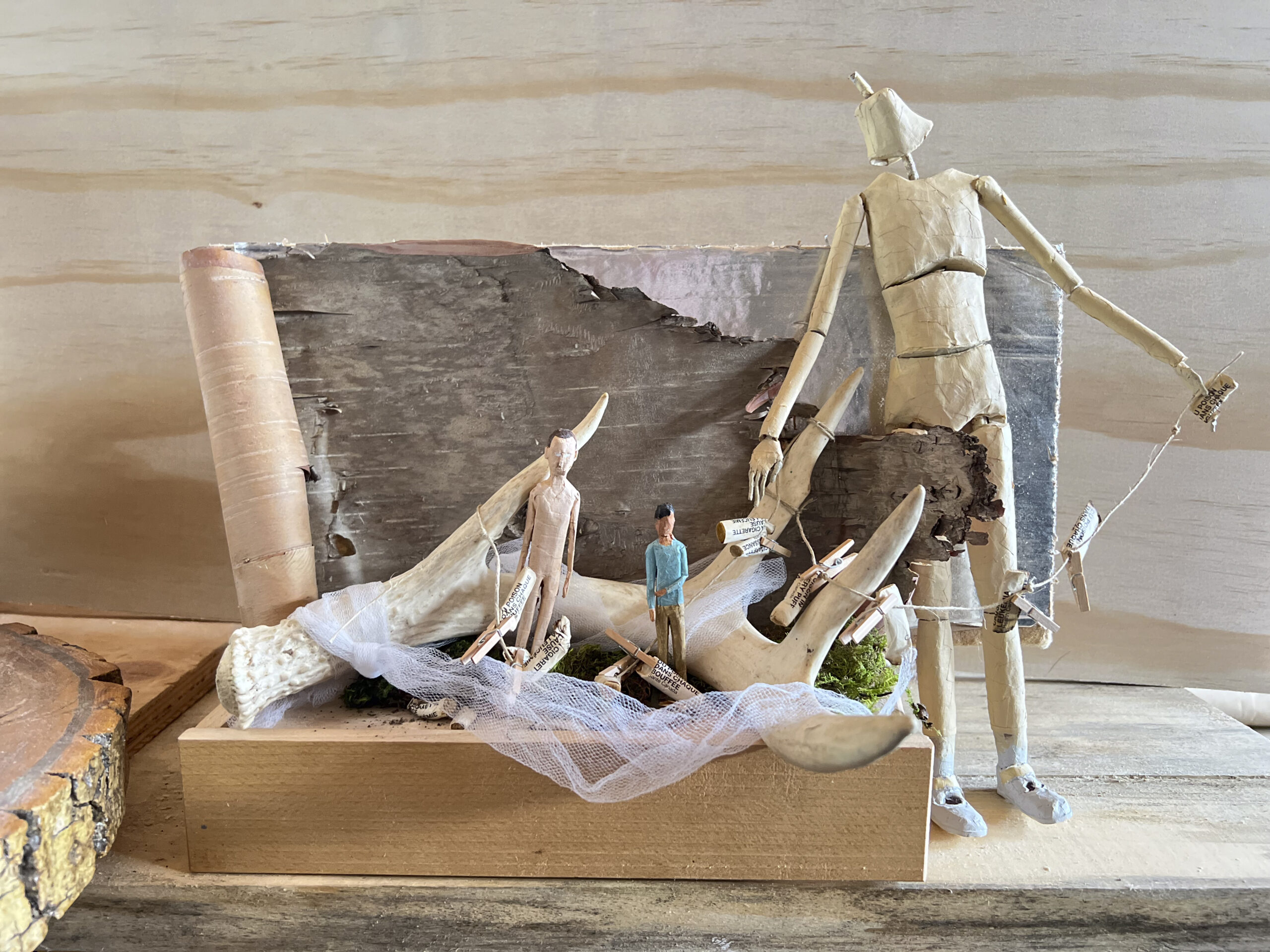
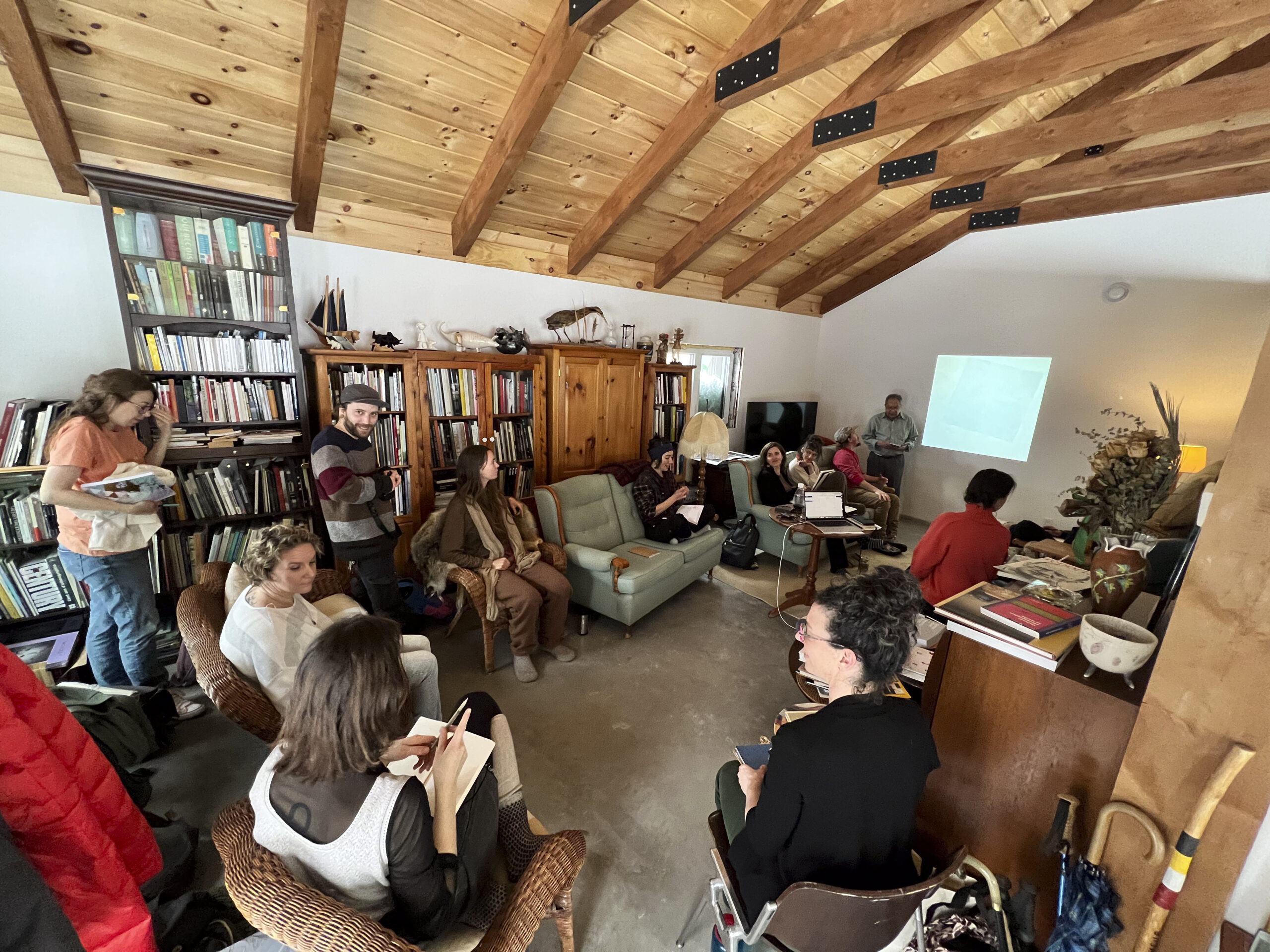
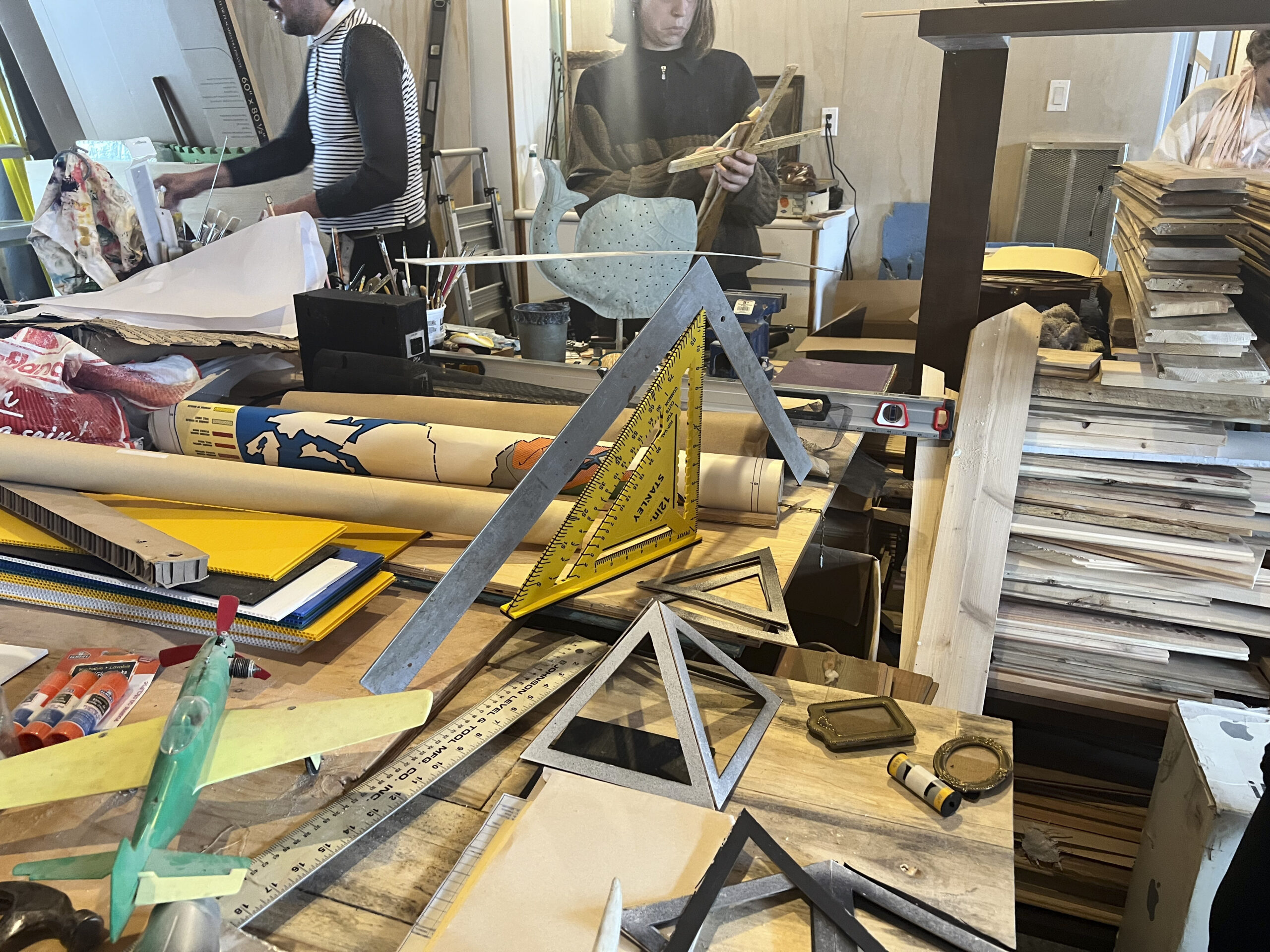
Un jour, j’y ai accueilli un groupe d’étudiants du certificat en création artistique de l’UQAR venu explorer dans le cadre de leur cours Exploration et développement d’une pratique 1. Nous avons partagé un repas de haricots noirs, sculpté des formes improvisées, parlé de gestes et de présence. La maison est devenue atelier, table, seuil. Elle a transmis sans exposer. Elle a fait place.
Je ne prétends pas que ce lieu soit une œuvre. Mais je le considère comme une proposition artistique : une manière d’habiter le monde avec attention. Un clin d’œil à Gordon Matta-Clark, pour qui nourrir, accueillir, ouvrir sont aussi des formes d’art.
Dans cette pensée, une voix m’accompagne : Ingrid Ardent. Elle est une rencontre du temps de Arles. Une interlocutrice, une présence complice. Nos échanges ne cherchent pas à convaincre, mais à faire advenir. Ensemble, nous habitons l’art autrement.
The Shelter as an Artistic Proposition
I do not call my work a “piece,” but a proposition. This choice was suggested to me by Jacques Perron, who taught me to act rather than appear. He also said that if he had to begin his artistic path again, everything would unfold on the Web. His words stay with me: they remind me that art can be a gesture, a place, an attention — not necessarily an object or a stage.
For eight years, I built a house. Slowly. With doubt, with care. It was not an architectural project, but a gesture of inhabiting. A way of thinking of art as shelter. Not a refuge from the world, but a porous place, crossed and crossable. A space for breathing.
One day, I welcomed a group of students from UQAR’s Certificate in Artistic Creation, visiting as part of their course Exploration and Development of a Practice I. We shared a meal of black beans, shaped improvised forms, spoke of gestures and presence. The house became studio, table, threshold. It transmitted without exhibiting. It made room.
I do not claim that this place is a work. But I consider it an artistic proposition: a way of inhabiting the world with attention. A nod to Gordon Matta‑Clark, for whom feeding, welcoming, opening are also forms of art.
In this way of thinking, one voice accompanies me: Ingrid Ardent. She is a meeting from my time in Arles — an interlocutor, a companion presence. Our exchanges do not seek to convince, but to let something come into being. Together, we inhabit art differently.
El refugio como propuesta artística
No nombro mi trabajo como obra, sino como propuesta. Esta elección me fue sugerida por Jacques Perron, quien me enseñó a actuar en lugar de parecer. También decía que, si tuviera que comenzar de nuevo su recorrido artístico, todo ocurriría en la Web. Sus palabras me acompañan: me recuerdan que el arte puede ser un gesto, un lugar, una atención — no necesariamente un objeto o una escena.
Durante ocho años construí una casa. Lentamente. Con duda, con cuidado. No era un proyecto de arquitectura, sino un gesto de habitar. Una manera de pensar el arte como refugio. No un escape del mundo, sino un lugar poroso, atravesado y atravesable. Un espacio de respiración.
Un día recibí allí a un grupo de estudiantes del certificado en creación artística de la UQAR, que venían en el marco de su curso Exploración y desarrollo de una práctica 1. Compartimos una comida de frijoles negros, esculpimos formas improvisadas, hablamos de gestos y de presencia. La casa se volvió taller, mesa, umbral. Transmitió sin exhibir. Hizo lugar.
No pretendo que este sitio sea una obra. Pero lo considero una propuesta artística: una manera de habitar el mundo con atención. Un guiño a Gordon Matta‑Clark, para quien alimentar, acoger y abrir también son formas de arte.
En este pensamiento me acompaña una voz: Ingrid Ardent. Es un encuentro de mis años en Arlés. Una interlocutora, una presencia cómplice. Nuestros intercambios no buscan convencer, sino hacer advenir. Juntos habitamos el arte de otro modo.
Der Schutzraum als künstlerischer Vorschlag
Ich bezeichne meine Arbeit nicht als Werk, sondern als Vorschlag. Diese Entscheidung wurde mir von Jacques Perron nahegelegt, der mich lehrte zu handeln statt zu erscheinen. Er sagte auch, dass sich sein gesamter künstlerischer Weg heute im Web abspielen würde. Seine Worte begleiten mich: Sie erinnern mich daran, dass Kunst ein Gestus, ein Ort, eine Aufmerksamkeit sein kann — nicht notwendigerweise ein Objekt oder eine Bühne.
Acht Jahre lang baute ich ein Haus. Langsam. Mit Zweifel, mit Sorgfalt. Es war kein Architekturprojekt, sondern ein Gestus des Bewohnens. Eine Art, Kunst als Schutzraum zu denken. Kein Rückzug vor der Welt, sondern ein poröser Ort, durchdrungen und durchlässig. Ein Raum zum Atmen.
Eines Tages empfing ich dort eine Gruppe von Studierenden des Zertifikats in künstlerischer Praxis der UQAR, die im Rahmen ihres Kurses Erkundung und Entwicklung einer Praxis 1 zu Besuch waren. Wir teilten eine Mahlzeit aus schwarzen Bohnen, formten improvisierte Skulpturen, sprachen über Gesten und Präsenz. Das Haus wurde Atelier, Tisch, Schwelle. Es vermittelte, ohne auszustellen. Es schuf Raum.
Ich behaupte nicht, dass dieser Ort ein Werk sei. Aber ich betrachte ihn als künstlerischen Vorschlag: eine Weise, die Welt aufmerksam zu bewohnen. Ein Augenzwinkern an Gordon Matta‑Clark, für den Nähren, Empfangen und Öffnen ebenfalls Formen von Kunst waren.
In diesem Denken begleitet mich eine Stimme: Ingrid Ardent. Eine Begegnung aus meiner Zeit in Arles. Eine Gesprächspartnerin, eine verbundene Präsenz. Unsere Austausche wollen nicht überzeugen, sondern entstehen lassen. Gemeinsam bewohnen wir die Kunst anders.
Il riparo come proposta artistica
Non chiamo il mio lavoro “opera”, ma proposta. Questa scelta mi è stata suggerita da Jacques Perron, che mi ha insegnato ad agire piuttosto che apparire. Diceva anche che, se dovesse ricominciare il suo percorso artistico, tutto avverrebbe sul Web. Le sue parole mi accompagnano: mi ricordano che l’arte può essere un gesto, un luogo, un’attenzione — non necessariamente un oggetto o una scena.
Per otto anni ho costruito una casa. Lentamente. Con dubbio, con cura. Non era un progetto di architettura, ma un gesto dell’abitare. Un modo di pensare l’arte come riparo. Non un rifugio dal mondo, ma un luogo poroso, attraversato e attraversabile. Uno spazio di respiro.
Un giorno ho accolto lì un gruppo di studenti del certificato in creazione artistica dell’UQAR, venuti nel contesto del corso Esplorazione e sviluppo di una pratica 1. Abbiamo condiviso un pasto di fagioli neri, scolpito forme improvvisate, parlato di gesti e presenza. La casa è diventata atelier, tavolo, soglia. Ha trasmesso senza esporre. Ha fatto spazio.
Non pretendo che questo luogo sia un’opera. Ma lo considero una proposta artistica: un modo di abitare il mondo con attenzione. Un cenno a Gordon Matta‑Clark, per il quale nutrire, accogliere e aprire erano anch’essi forme d’arte.
In questo pensiero mi accompagna una voce: Ingrid Ardent. Un incontro dei miei anni ad Arles. Un’interlocutrice, una presenza complice. I nostri scambi non cercano di convincere, ma di far emergere. Insieme abitiamo l’arte in un altro modo.
Skjólið sem listræn tillaga
Ég kalla ekki verkið mitt „listaverk“, heldur tillögu. Þessa ákvörðun hvíslaði Jacques Perron að mér; hann kenndi mér að bregðast við frekar en að birtast. Hann sagði einnig að ef hann þyrfti að hefja feril sinn á ný, myndi allt gerast á vefnum. Þessi orð fylgja mér: þau minna mig á að list getur verið athöfn, staður, athygli — ekki endilega hlutur eða svið.
Í átta ár byggði ég hús. Hægt. Með efasemdum, með umhyggju. Þetta var ekki byggingarverkefni, heldur athöfn búsetu. Leið til að hugsa list sem skjól. Ekki sem flótta frá heiminum, heldur gljúpan stað, gegnumstreymdan og gegnumgangandi. Rými til að anda.
Einn daginn tók ég á móti hópi nemenda úr listnámsbraut UQAR, sem komu í tengslum við námskeiðið Könnun og þróun listrænnar iðkunar 1. Við deildum máltíð úr svörtum baunum, mótuðum skyndiform, töluðum um gjörðir og nærveru. Húsið varð vinnustofa, borð, þröskuldur. Það miðlaði án þess að sýna. Það skapaði rými.
Ég fullyrði ekki að þessi staður sé listaverk. En ég lít á hann sem listræna tillögu: leið til að búa í heiminum með athygli. Kveðja til Gordon Matta‑Clark, fyrir sem næring, gestrisni og opnun voru einnig listform.
Í þessari hugsun fylgir mér rödd: Ingrid Ardent. Hún er kynni frá Arles. Samtalspartner, samferða nærvera. Samræður okkar leitast ekki við að sannfæra, heldur að láta eitthvað verða til. Saman búum við listina á annan hátt.